
Do Shelf Arrangements Impact Sales?

Ever wandered down a store aisle and found yourself magically drawn to certain products? Or maybe you’ve impulsively grabbed a snack that wasn’t on your list, just because it was right there at eye level? Well, it turns out there’s a whole science behind those moments, and it’s all about shelf arrangements.
This article dives deep into the silent world of retail shelves, exploring how their strategic organization can significantly boost sales. From the psychology of color and placement to the practical tactics retailers use to catch our eye,we’re unpacking the subtle art of compelling merchandising displays that shape our shopping habits. So, if you’ve ever been curious about why you end up buying things you didn’t intend to, or if you’re a retailer looking to optimize your space, keep reading.
We’re about to explore the profound impact shelf arrangements have on sales and customer behavior, revealing the secrets behind those perfectly placed products.
Partner with us for custom marketing solutions that captivate and engage.
What Is the Impact of Shelf Arrangements on Sales?
Shelf arrangements in retail environments significantly impact sales, serving as a silent salesman by guiding customers’ purchasing decisions. The strategic placement of products can influence consumer behavior, making the layout a crucial aspect of retail management. High-traffic areas are often reserved for high-margin items, leveraging visibility to boost sales.
Eye-level shelves are prime real estate, as products placed at this height are more likely to catch the shopper’s attention, leading to increased impulse buys. Moreover, the organization of shelves can affect the shopping experience, with a clutter-free and logically arranged space encouraging longer visits and greater exploration. Grouping related items together can also enhance sales through cross-selling, prompting customers to buy complementary products they may not have initially considered.
Seasonal and promotional displays near the entrance can capture interest and drive sales for specific items. Understanding consumer behavior and preferences is key to optimizing shelf arrangements. Retailers often employ planograms, detailed diagrams that specify the placement of every product, to ensure a consistent and effective layout, often supported by branded shelf panels that highlight key product categories and reinforce store identity.
This meticulous approach to shelf arrangement can lead to a significant uplift in sales, demonstrating the profound impact of visual merchandising on consumer purchasing patterns.
How Do Shelf Arrangements Influence Customer Behavior?
Shelf arrangements profoundly influence customer behavior by dictating the visibility and accessibility of products. Visibility plays a crucial role, as products placed at eye level or in high-traffic areas naturally attract more attention, sparking interest among shoppers. This strategic placement can significantly impact purchasing decisions, making certain items more appealing based on their location alone.
On the other hand, accessibility ensures that customers can easily interact with products, making the shopping experience more convenient and enjoyable. Items that are readily accessible are more likely to be picked up and, ultimately, purchased. Together, visibility and accessibility shape the shopping environment, guiding customers towards specific products and influencing their overall purchasing behavior.
Through careful arrangement of shelves, retailers can steer customer interest and interaction in ways that boost sales and enhance the shopping experience.
Visibility of Products Affects Attention and Interest
Products placed at eye level or in prime locations within a store are more likely to catch a shopper’s attention, directly influencing their interest in those items. This strategic positioning can guide customers towards certain products, significantly impacting their purchasing decisions.
Accessibility Influences Ease of Product Interaction
The ease with which customers can physically interact with products plays a critical role in the shopping experience. Accessible products, those that are within easy reach and not obstructed, encourage shoppers to handle and evaluate them, greatly increasing the likelihood of purchase.
Request a Free Consultation for a Sales-Boosting Display.
What Strategies Are Used in Shelf Arrangement to Boost Sales?
Retailers employ several strategies in shelf arrangement to enhance sales, focusing on eye-level placement for high-demand products to ensure they are within easy sight and reach of customers, thereby increasing their likelihood of being purchased. Strategic product grouping is another tactic, where complementary items are placed together to encourage additional purchases, tapping into the buying patterns of consumers. Additionally, the use of end caps for promotions serves as a powerful tool, utilizing these high-visibility areas to draw attention to special offers or new products, effectively stimulating customer interest and sales.
These strategies are integral to creating an environment that not only maximizes the visibility and accessibility of products but also aligns with consumer behavior to drive sales.
Eye-Level Placement for High-Demand Products
Eye-level placement capitalizes on the natural line of sight of shoppers, ensuring high-demand products are prominently displayed and easily accessible. This strategic positioning significantly increases the visibility of these items, making them more likely to be noticed and purchased by customers.
Strategic Product Grouping Based on Buying Patterns
Strategic product grouping involves placing complementary items together, leveraging consumer buying patterns to encourage additional purchases. This tactic not only enhances the shopping experience by simplifying decision-making but also boosts sales through the promotion of related products that customers may not have initially considered.
Use of End Caps for Promotions
End caps, the display areas at the end of aisles, are utilized for promotional purposes, offering high visibility for featured products. This strategy draws customer attention to special offers, new arrivals, or seasonal items, effectively increasing interest and sales in these targeted products.
What Are the Psychological Effects of Shelf Arrangements on Purchasing Decisions?
Shelf arrangements have a profound psychological impact on purchasing decisions, leveraging aspects like color psychology to attract or deter customers. The way products are presented can significantly influence a shopper’s mood and perception, with certain colors enhancing product appeal. Additionally, the placement height of products can affect their perceived value, with items placed at eye level often viewed as higher quality or more desirable.
Furthermore, the overall organization of shelves plays a critical role in shaping consumer perceptions of quality and trustworthiness, with a well-organized space suggesting a higher standard of product. These psychological effects are pivotal in guiding customer behavior, subtly influencing the decision-making process and encouraging purchases.
Color Psychology in Attracting or Deterring Customers
Color psychology plays a significant role in retail, with specific hues capable of attracting attention or evoking certain emotions that can influence a customer’s willingness to purchase. Bright colors might draw customers towards a product, while softer tones can create a sense of quality and trust.
Perceived Product Value Through Placement Height
The placement height of products on shelves can dramatically affect their perceived value. Items positioned at eye level are often perceived as more desirable or of higher quality than those placed on lower or higher shelves, influencing customers’ purchasing decisions based on the ease of visibility and reach.
Influence of Organization on Perceived Quality
The organization of shelves impacts the perceived quality of the products displayed. A well-organized, clutter-free shelf arrangement suggests a high standard of care and quality, engendering trust and a positive perception among customers, which can significantly influence their buying choices.
How Do Retailers Measure the Effectiveness of Shelf Arrangements?
Retailers assess the effectiveness of shelf arrangements through a combination of sales data analysis, customer feedback and surveys, and A/B testing. Sales data analysis before and after changes in shelf arrangements provides concrete evidence of what works and what doesn’t, allowing retailers to make informed decisions. Customer feedback and surveys offer insights into how shoppers perceive the layout, highlighting areas for improvement.
A/B testing, or comparing two versions of shelf arrangements, helps identify the most effective strategies for enhancing product visibility and accessibility, ultimately leading to increased sales. These methods together form a comprehensive approach to optimizing shelf arrangements for maximum impact on sales.
Sales Data Analysis Before and After Changes
Sales data analysis serves as a critical tool for retailers, enabling them to quantify the impact of shelf arrangement changes. By comparing sales figures before and after adjustments, retailers can directly measure the effectiveness of different layouts in driving product sales.
Customer Feedback and Surveys on Layout Preferences
Customer feedback and surveys provide valuable insights into shoppers’ preferences and perceptions regarding shelf arrangements. This feedback helps retailers understand the consumer experience better, allowing them to tailor shelf layouts to meet customer needs and enhance the shopping experience.
A/B Testing Different Shelf Arrangements
A/B testing involves comparing two or more versions of shelf arrangements to determine which one performs better in terms of sales and customer engagement. This method allows retailers to experiment with different strategies and identify the most effective approach to product placement and shelf organization.
What Are the Challenges in Optimizing Shelf Arrangements for Sales?
Optimizing shelf arrangements for sales involves navigating several challenges, including the balancing act between limited shelf space and product variety. Retailers must strategically select which products to display and how to arrange them to maximize sales while dealing with finite space. Additionally, adapting to changing consumer trends and seasons requires constant vigilance and flexibility in shelf arrangement strategies to remain relevant and appealing to customers.
Finally, there is the challenge of balancing aesthetic appeal with practical functionality. Creating visually appealing displays that also facilitate easy access and interaction with products is crucial for enhancing the shopping experience and boosting sales. These challenges necessitate a dynamic and responsive approach to shelf arrangement to effectively drive sales.
Limited Shelf Space vs. Product Variety
Navigating the limited shelf space while striving to offer a wide product variety poses a significant challenge. Retailers must make strategic decisions about which products to display to maximize sales potential without overcrowding shelves, ensuring each item has the chance to catch the customer’s eye.
Adapting to Changing Consumer Trends and Seasons
Adapting to changing consumer trends and seasons requires retailers to be agile in their shelf arrangement strategies. This involves regularly updating product selections and displays to align with current consumer preferences and seasonal demands, ensuring the retail space remains relevant and engaging.
Balancing Aesthetic Appeal With Practical Functionality
Achieving a balance between aesthetic appeal and practical functionality in shelf arrangements is crucial. Retailers aim to create displays that are not only visually attractive but also make it easy for customers to find and interact with products, enhancing the overall shopping experience and encouraging purchases.
Start Designing Your High-Impact Merchandising Layout Today.
Turning Shelf Strategy Into Sales Success
Shelf arrangements are more than just visual design choices. They are powerful tools that influence customer behavior, guide purchasing decisions, and drive overall sales performance. By understanding the psychology behind placement, visibility, and organization, retailers can create more effective and engaging shopping experiences.
At Pop49, we help businesses turn passive displays into active sales drivers through smarter retail strategy and layout design. As a leading merchandising display company, we collaborate with retailers to boost product visibility and enhance store performance.
Ready to optimize your retail space? Let’s talk about what’s possible.


More Articles

How Vinyl Banners Drive Promotional Success for Indoor and Outdoor Campaigns
Learn how to choose vinyl banners for trade shows, retail displays, and outdoor events. Covers material selection, sizing, design tips,…
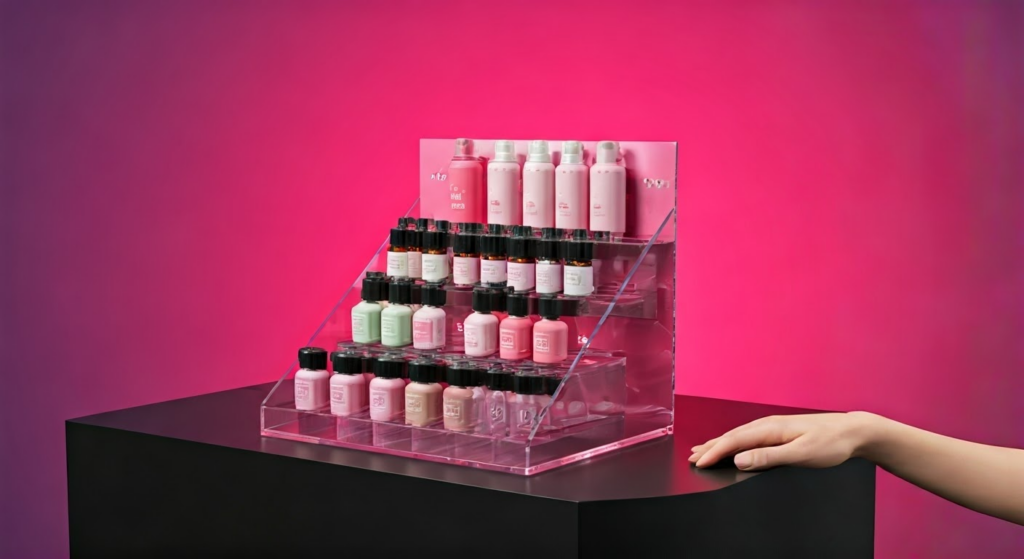
Custom Branded Countertop Displays: Maximizing Small-Space Impact
Custom branded countertop displays boost brand visibility and sales in small spaces. Discover how to make your retail impact unforgettable.

What is Large-Format Printing?
Large-format printing plays a crucial role in marketing, as it is widely used by businesses in retail, hospitality, healthcare, entertainment,…