
Merchandising Displays: Showcase Products in Style
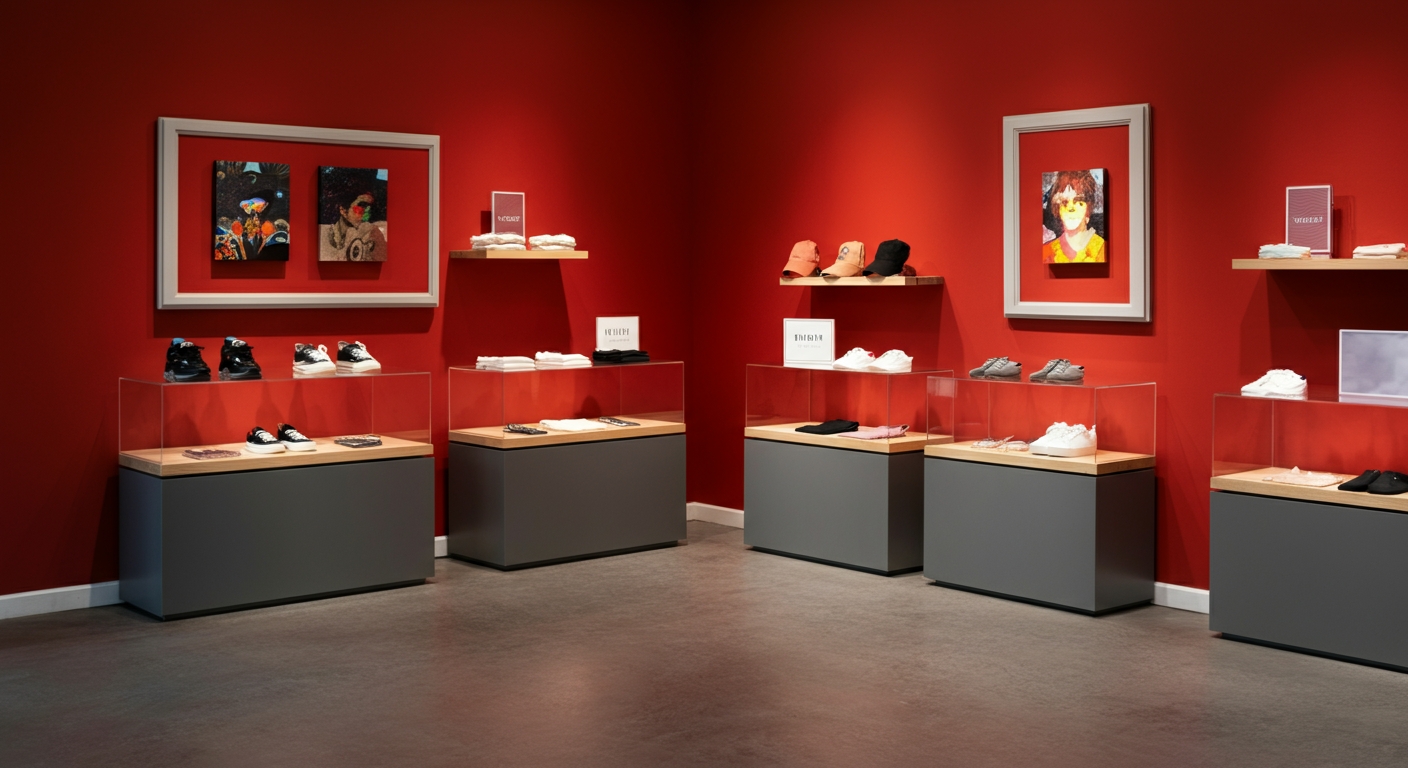
Welcome to the world of merchandising displays, where creativity meets commerce and product presentation becomes a powerful sales tool. In today’s competitive retail landscape, these displays quietly influence purchasing decisions by making products stand out in engaging and memorable ways.
Whether it’s an attention-grabbing window setup or a well-placed floor stand, merchandising displays guide customers through their shopping journey. At Pop 49, we help brands create display strategies that transform retail spaces, drive engagement, and boost conversion. Let’s explore how merchandising displays work, why they matter, and how to leverage them to create impact in your store.
Partner with us for custom marketing solutions that captivate and engage.
What are Merchandising Displays and Why Do They Matter?
What merchandising displays are can be best described as specialized setups within retail environments designed to showcase products in the most appealing way possible. Their primary goal is to attract customer attention and stimulate interest in the merchandise being offered. These displays matter significantly because they play a crucial role in influencing consumer purchasing decisions.
By effectively highlighting products, merchandising displays can enhance product visibility, promote brand awareness, and ultimately drive sales. They leverage strategic placement, creative design, and sensory elements to create an engaging shopping experience that can differentiate a brand or product from competitors. In today’s retail landscape, where competition is fierce, and consumer attention spans are short, effective merchandising displays can be the difference between a product being noticed or overlooked.
Therefore, they are an essential component of retail marketing strategies, aiming to maximize the attractiveness of products and encourage positive buying behaviors.
Definition and Purpose in Retail
Merchandising displays are strategically designed presentations within retail spaces, aimed at showcasing products in the most compelling way to capture customer interest. Their purpose transcends simple product arrangement; they are meticulously crafted to make products stand out, thereby increasing their visibility and attractiveness. This strategic visibility plays a crucial role in directing customers’ attention towards specific products or offers, facilitating a more organized and engaging shopping environment.
As such, merchandising displays act as a silent salesperson, subtly conveying the value and unique qualities of the products on display.
Role in Boosting Sales and Shaping the Shopping Experience
The role of merchandising displays in boosting sales is paramount. They create a powerful first impression that can either attract customers or deter them. Through creative and strategic placement, these displays illuminate the features and benefits of products, rendering them more desirable to potential buyers. In fact, how shelf arrangements can influence sales is a critical part of this process, since the way products are positioned can guide customer choices and highlight bestsellers.
This increased desirability directly impacts purchasing decisions, leading to higher sales volumes. Moreover, merchandising displays play a significant role in shaping the shopping experience. They transform conventional shopping into an immersive journey, engaging customers’ senses and emotions.
This engagement is crucial for creating a memorable shopping experience that customers are eager to repeat. By doing so, merchandising displays not only spur immediate purchases but also cultivate brand loyalty and repeat business, which are vital for sustained retail success.
When Should You Use Merchandising Displays?
Merchandising displays should be strategically utilized during key retail moments to maximize their impact on sales and customer engagement. Seasonal campaigns and holiday promotions present an ideal opportunity for these displays, as they can captivate customers searching for seasonal items or gifts, leveraging the festive or thematic allure to boost interest and sales. During product launches and new arrivals, merchandising displays serve as a spotlight, generating excitement and drawing customer attention to the latest products.
Furthermore, clearance events and stock turnover periods benefit significantly from the strategic use of merchandising displays, as they can effectively highlight discounted or outgoing stock, encouraging purchases and aiding in inventory management. Each of these occasions offers a unique chance to engage with customers, making merchandising displays a crucial and versatile element in the retail marketing toolkit.
Seasonal Campaigns and Holiday Promotions
Utilizing merchandising displays during seasonal campaigns and holiday promotions taps into the heightened consumer interest in thematic shopping. These displays, often adorned with seasonal decor, can transform the shopping environment, making products more appealing and relevant to those seeking holiday-specific items. The strategic use of such displays can significantly boost foot traffic and sales, leveraging the festive allure to engage customers.
Product Launches and New Arrivals
For product launches and new arrivals, merchandising displays are pivotal in creating buzz and interest. By dedicating space to showcase the unique features and benefits of new products, retailers can pique customer curiosity and excitement. This focused spotlight helps new arrivals stand out in a crowded marketplace, encouraging exploration and purchase of the latest innovations.
Clearance Events and Stock Turnover
During clearance events and stock turnover, merchandising displays serve as an effective tool for inventory management and sales promotion. By prominently featuring discounted items or products being phased out, these displays draw attention to deals and encourage purchases. This strategy not only aids in efficient stock clearance but also offers customers compelling value, enhancing their overall shopping experience.
What Types of Merchandising Displays Are Commonly Used?
Retail environments employ various types of merchandising displays, each designed to serve specific strategic purposes in attracting and engaging customers. These display types work together to create a comprehensive merchandising strategy that maximises product visibility throughout the store.
Window displays serve as the store’s first impression, crafted to catch the eye of passersby and entice them inside with visually compelling setups that showcase featured products or seasonal promotions. Counter displays capitalise on the checkout process by positioning small, often lower-priced items within easy reach of customers, encouraging impulse purchases during their final moments in the store. These point-of-purchase displays are particularly effective because they target customers when they’re already in a buying mindset.
Floor stands offer retailers maximum flexibility in product placement, allowing them to highlight specific items or promotions in high-traffic areas where they can effectively draw attention to special offers or new arrivals. Wall-mounted displays maximise retail space by utilising vertical surfaces to showcase products, an ideal solution for stores with limited floor space.
Together, these display types create a coordinated approach to product presentation that enhances visibility, stimulates customer interest, and drives sales. When strategically implemented, they form an indispensable toolkit for retail marketing success.
Window Displays to Attract Outside Foot Traffic
Window displays act as a visual magnet for potential customers, using creative and eye-catching designs to draw them into the store. By highlighting the most attractive products or current promotions, these displays leverage the store’s exterior to spark curiosity and boost foot traffic.
Counter Displays for Impulse Purchases
Counter displays are strategically positioned at checkout areas, designed to trigger impulse buys. Featuring small, accessible items, these displays capitalize on the customer’s final moments in the store to increase sales and enhance the overall shopping experience.
Floor Stands for Flexible In-Store Placement
Floor stands provide the ultimate flexibility in merchandising, allowing products to be prominently placed in various high-traffic areas within the store. This mobility is key to adapting to changing promotions or highlighting specific products, directly influencing customer engagement and sales.
Wall-Mounted Displays to Maximize Retail Space
Wall-mounted displays are an efficient way to use vertical space, ideal for stores with limited floor space. By presenting products at eye level, these displays not only make efficient use of retail space but also significantly improve product visibility, leading to a more organized and appealing product presentation.
How Do You Design an Effective Merchandising Display?
Designing an effective merchandising display involves a careful blend of understanding your target audience, selecting the right display format, and strategically using design elements like lighting, colors, and signage. Begin by analyzing your target audience’s behavior and preferences to ensure the display resonates with them. This understanding is crucial for creating a display that attracts and engages your intended customers.
Choose a display format that suits the type of products you are showcasing. Whether it’s a window display for high visibility or a counter display for impulse purchases, the right format can significantly impact the effectiveness of your merchandising efforts. Utilize lighting to highlight key products and draw attention to specific areas of the display.
Use colors and signage not only to make the display more attractive but also to guide and inform the customer journey within the store. These elements should work together to create a cohesive and engaging visual story that speaks directly to the customer’s needs and desires. Keeping displays neat, accessible, and easy to navigate is essential for providing a positive shopping experience.
Cluttered or confusing displays can deter customers, while well-organized ones can encourage exploration and purchases. By thoughtfully combining these elements, retailers can create merchandising displays that not only capture attention but also motivate customers to make a purchase, thereby enhancing the overall shopping experience.
Understand Your Target Audience’s Behavior
Understanding the behavior and preferences of your target audience is the foundation of creating an effective merchandising display. This knowledge allows you to tailor your display to resonate with the specific interests, needs, and desires of your customers, ensuring the display attracts and engages them efficiently.
Select the Right Display Format for Your Products
Choosing the correct display format is crucial for the success of your merchandising efforts. Whether it’s a vibrant window display to captivate passersby or a strategically placed counter display for encouraging impulse purchases, the right format should enhance the product’s visibility and appeal within the shopping environment.
Use Lighting, Colors, and Signage Strategically
Employ lighting, colors, and signage with intention to maximize the impact of your merchandising display. Effective lighting draws attention to key products, while the right color scheme can influence customer mood and highlight the display. Clear, concise signage guides customers through your display, providing information and encouraging purchases.
These elements should work in harmony to create a visually appealing and informative shopping experience.
Keep Displays Neat, Accessible, and Easy to Navigate
Ensuring your displays are neat, accessible, and easy to navigate is vital for fostering a positive shopping experience. Well-organized displays not only make it simpler for customers to find and interact with products but also encourage exploration and prolong the time spent in-store. A clutter-free, intuitive layout invites customers into the display, increasing the likelihood of conversion.
Request a Free Quote for Custom, High-Impact Displays.
What Are the Best Practices for Maintaining Merchandising Displays?
Maintaining merchandising displays effectively involves several best practices that ensure their ongoing attractiveness and functionality. Regularly refreshing display themes keeps the retail environment vibrant and engaging, encouraging repeat visits from customers. It’s essential to keep products well-stocked and orderly; a well-maintained display not only looks appealing but also makes it easier for customers to find and select products, thereby enhancing the shopping experience.
Routine inspections for cleanliness and durability are crucial for maintaining the aesthetic appeal and ensuring the safety of both the products and the customers. Clean, well-cared-for displays reflect positively on the store’s brand and can significantly impact customer perceptions and satisfaction. Implementing these best practices helps in preserving the effectiveness of merchandising displays, supporting sales, and fostering customer loyalty.
By maintaining displays that are neat, accessible, and visually appealing, retailers can create a welcoming and engaging shopping environment that encourages purchases and repeat visits.
Refresh Display Themes Regularly
Refreshing display themes regularly is key to maintaining a vibrant and engaging retail environment. This approach ensures that both new and returning customers are greeted with a fresh visual experience each time they visit. Leveraging seasonal changes, promotional events, and new product introductions as opportunities to update your displays can significantly enhance customer interest and engagement.
Keep Products Stocked and Orderly
Keeping products well-stocked and orderly is essential for facilitating a positive shopping experience. A display that is neatly organized and consistently replenished makes it easy for customers to find what they need, increasing the likelihood of purchases. Regularly restocking and tidying up displays not only prevents the appearance of neglect but also signals to customers that the store values their needs and satisfaction.
Inspect Displays for Cleanliness and Durability
Regular inspections for cleanliness and durability are crucial for maintaining the attractiveness and safety of merchandising displays. Ensuring that displays are clean enhances their appeal and reflects positively on the store’s overall image. Meanwhile, checking for any signs of wear and tear and performing necessary repairs helps to prevent potential safety issues and extends the lifespan of the displays, making them a more effective and enduring part of the store’s merchandising strategy.
How Can Technology Enhance Merchandising Displays?
Technology can significantly transform merchandising displays by incorporating dynamic messaging through digital signage, fostering customer engagement with interactive displays, and creating immersive shopping experiences with virtual and augmented reality. Digital signage offers the flexibility to easily update and vary messaging, capturing customer attention with vibrant visuals and timely content. Interactive displays engage customers on a deeper level, encouraging interaction with products or digital interfaces, which increases engagement time with the brand.
Virtual and augmented reality technologies provide unique, immersive experiences, allowing customers to visualize products in highly detailed and personalized contexts. Together, these technological advancements revolutionize traditional merchandising displays into captivating, informative, and entertaining experiences, driving sales and enhancing brand loyalty.
Digital Signage for Dynamic Messaging
Digital signage transforms merchandising displays by enabling dynamic messaging. This technology allows for swift updates to content, keeping messaging timely and engaging. With the capability to showcase high-resolution images, captivating videos, and eye-catching animations, digital signage stands out as a potent tool for highlighting promotions, announcing new arrivals, and advertising special events, effectively capturing customer attention and driving foot traffic.
Interactive Displays for Customer Engagement
Interactive displays significantly boost customer engagement by encouraging direct interaction with products or digital interfaces. These innovative displays may incorporate touch screens, gesture recognition technology, or QR codes linking to online content, inviting shoppers to engage on a deeper level. This active participation enriches the shopping experience, making it more engaging and memorable, thereby increasing the likelihood of purchase.
Virtual and Augmented Reality Shopping Experiences
Virtual and augmented reality (VR and AR) technologies provide immersive shopping experiences, transcending the physical limitations of traditional retail spaces. VR technology immerses customers in virtual showrooms or enables them to visualize how products would appear in their own homes. AR technology, on the other hand, overlays digital information onto the physical world, offering an enhanced layer of interaction.
These cutting-edge technologies not only entertain but also furnish customers with valuable information, aiding in making well-informed purchasing decisions.
What Are the Challenges in Creating Effective Merchandising Displays?
Creating effective merchandising displays involves navigating several challenges, including managing space limitations in retail settings, balancing aesthetic appeal with product functionality, and adapting to rapidly changing consumer trends. Space constraints demand creative design solutions to ensure products are visible and engaging within limited areas. Achieving a balance between making displays visually attractive and keeping them practical and accessible is essential for functionality.
Furthermore, the swift pace at which consumer preferences evolve requires displays to be versatile and easily updated, allowing retailers to stay relevant and captivating to their audience. Addressing these challenges is crucial for retailers aiming to draw customer attention, enhance the shopping experience, and drive sales effectively.
Managing Space Limitations in Retail Layouts
Managing space limitations in retail environments requires creative and strategic thinking. Retailers are tasked with maximizing the efficiency of every square foot of their store. Innovative layout planning and display design become essential in making products visible and accessible without creating a cluttered space.
This challenge calls for a careful arrangement that enhances the shopping experience, even within the most constrained areas.
Balancing Aesthetics with Product Function
Achieving a balance between aesthetics and product function is key to creating displays that not only catch the eye but also effectively showcase the products. Displays need to be designed with an eye for beauty to attract attention, while also being practical enough to highlight the product’s features and benefits clearly. This delicate balance ensures that the displays serve their dual purpose of drawing customers in and facilitating their shopping journey.
Adapting to Shifting Customer Trends
Adapting to shifting customer trends is an ongoing challenge in the dynamic retail landscape. Consumer preferences can evolve swiftly, necessitating retailers to be flexible and responsive in their merchandising strategies. Keeping displays fresh and aligned with current trends requires constant vigilance and the willingness to update and refresh displays regularly.
This adaptability is crucial for maintaining customer interest and driving sales in a competitive market.
How Do You Choose the Right Merchandising Display for Your Store?
Choosing the right merchandising display for your store involves matching the display type to the product category, considering the store layout and traffic flow, and aligning with customer preferences and budget. Selecting the appropriate display type is crucial for effectively showcasing products. Whether it’s impulse buys at the counter or high-end items in a window display, the choice must resonate with the product’s nature. For example, deciding between prefab vs custom merchandise shelves can make a significant difference in how products are presented and perceived by shoppers.
The store’s layout and the way customers navigate through the space are significant factors in determining where displays should be placed for maximum visibility and engagement. Understanding your customer preferences is key to designing displays that not only attract but also appeal to your target audience, making them more likely to engage and purchase. Finally, budget considerations ensure that the chosen merchandising solutions are cost-effective yet impactful, striking a balance between financial constraints and the need for compelling product presentation.
This strategic approach ensures that the merchandising displays not only capture attention but also encourage purchases, enhancing the overall shopping experience.
Match Display Type to Product Category
Selecting the right display type for your products is crucial. The product’s nature, be it a high-end luxury item or an impulse purchase, should guide the choice of display. Premium products may be showcased in exclusive window displays that emphasize their allure, while everyday items fit well with counter displays that prompt spontaneous buying decisions.
Consider Store Layout and Traffic Flow
Analyzing the layout of your store and the natural flow of customer traffic is vital in determining the placement of your displays. Merchandising displays should be strategically located in areas where they can capture the most attention and engage shoppers effectively. Prime locations include high-traffic areas such as store entrances or aisle ends, where visibility and product interaction are maximized.
Align with Customer Preferences and Budget
Understanding your target audience’s preferences plays a significant role in designing impactful merchandising displays. Your displays should connect with the customers’ interests and shopping behaviors, enhancing their overall shopping experience. Furthermore, aligning your display choices with your budget is essential to ensure that you achieve the desired impact without exceeding financial constraints.
Balancing the cost-effectiveness of your merchandising strategy with its potential to attract and convert is key to successful retailing.
Start Your Free Quote for Stylish Merchandising Displays Today.
Create Retail Impact with Merchandising Displays with Pop49
At Pop49, we help brands create retail displays that do more than just look good. Our team designs merchandising solutions that capture attention, guide shopper behavior, and increase conversions. By aligning creative strategy with in-store layout, product goals, and customer insights, we ensure every display delivers measurable impact.
We incorporate the latest trends and technology, from digital signage to interactive elements, to keep your brand relevant and engaging. With Pop49, merchandising displays become a strategic tool to drive sales, build loyalty, and elevate the retail experience. Let’s bring your retail vision to life.


More Articles
How Vinyl Banners Drive Promotional Success for Indoor and Outdoor Campaigns
Learn how to choose vinyl banners for trade shows, retail displays, and outdoor events. Covers material selection, sizing, design tips,…
Custom Branded Countertop Displays: Maximizing Small-Space Impact
Custom branded countertop displays boost brand visibility and sales in small spaces. Discover how to make your retail impact unforgettable.

What is Large-Format Printing?
Large-format printing plays a crucial role in marketing, as it is widely used by businesses in retail, hospitality, healthcare, entertainment,…