
How Vinyl Banners Drive Promotional Success for Indoor and Outdoor Campaigns
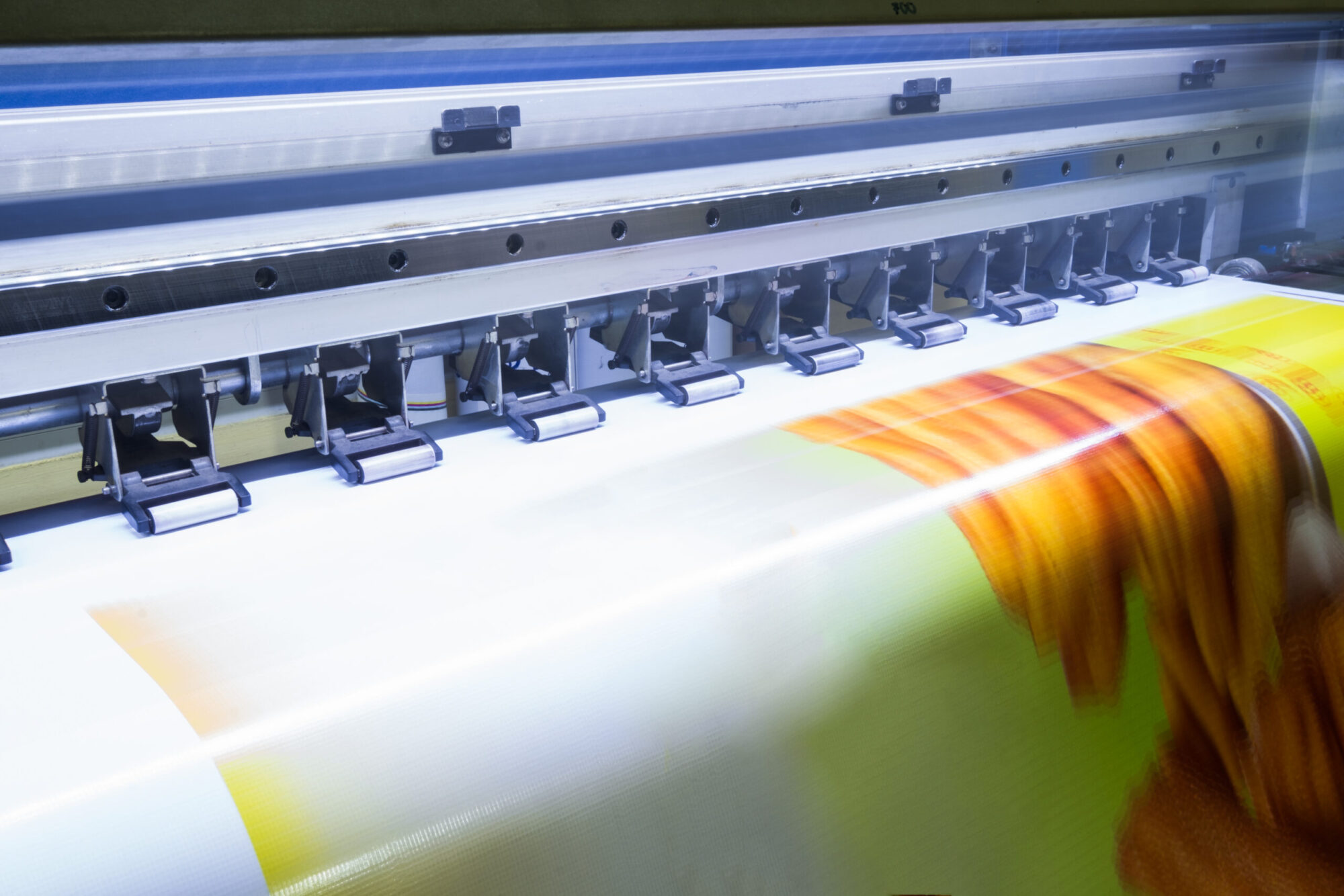
Retail environments are crowded. Trade show floors are packed. Outdoor events are chaotic. You need smart visual marketing to cut through. Brands compete for attention in spaces where everyone is shouting. Vinyl banners cut through that noise. They work in rain, sun, wind, and fluorescent lighting. They travel easily, install quickly, and last longer than most marketing materials.
Many companies blow thousands on digital ads. Lots of clicks. Zero foot traffic to actual stores. Meanwhile, a well-placed banner outside their storefront drives more walk-ins than a month of social ads. Digital marketing works for online conversions, but physical signage drives in-person attention.
This guide covers everything you need to know about vinyl banners for promotional campaigns. Material selection, sizing, design principles, installation methods, and how to keep them looking good season after season. Whether you’re setting up a trade show booth, promoting a grand opening, or wrapping a construction site, you’ll find what works here.
Disclaimer: Material specifications, pricing, and production timelines vary by manufacturer and may change. All information reflects current industry practices and should be verified with your print partner before placing orders.
Why Vinyl Banners Still Win for Promotional Campaigns
Marketing pros have more signage options than ever. Digital screens. LED displays. Fabric backdrops. Foam boards. Yet vinyl banners continue to dominate outdoor promotions and event marketing.
The Durability Advantage Over Other Signage Options
Fabric banners look beautiful in indoor settings. Leave fabric outside for a week. It fades, stretches, and looks terrible. Paper and foam deteriorate even faster. Vinyl handles whatever weather throws at it. Rain, wind, sun, temperature swings. It just keeps working. Rain runs off. UV coatings resist sun damage. The material itself doesn’t absorb moisture, so it won’t warp or sag when humidity spikes.
Temperature tolerance matters too. Vinyl works in everything, from summer heat to winter cold. Hang fabric in January cold. It gets brittle. It cracks. Vinyl stays flexible. Roll it up. Ship it. Reinstall it. Repeat. No cracks. No permanent creases.
How Flexibility Supports Multi-Channel Marketing Efforts
One vinyl banner works everywhere. Trade show Monday. Storefront Thursday. Festival Saturday. More bang for your buck. Trade show booth on Monday, retail storefront on Thursday, outdoor festival on Saturday. That flexibility matters when budgets are tight and campaigns span multiple touchpoints.
Indoors: retail displays, conference backdrops, lobby signs, checkout areas.
Outdoors: storefronts, building wraps, fences, vehicles, construction sites.
Smart marketers buy one set. of vinyl banners. They rotate them through indoor and outdoor spots throughout the whole campaign, stretching your dollar further.
Costs That Make Vinyl Budget-Friendly
Banner costs vary based on size, material weight, and finishing options. Grommets, pole pockets, hems. All affect price. That said, vinyl generally offers better value per impression than most alternatives. A vinyl banner lasting three years gets thousands of daily eyeballs. Compare that to your monthly digital ad bill. Way cheaper per view.
Plus you can reuse them. Event banners can be stored and redeployed for annual promotions. Seasonal messaging can come out year after year. Factor in how long they last. What you pay upfront suddenly looks pretty reasonable.
Selecting the Right Vinyl Material for Your Application
First-time buyers get confused by vinyl options. All those numbers and specs look like gibberish. They see options ranging from 10oz to 18oz vinyl. Matte and gloss finishes. Mesh variants and specialty coatings. Each material fits different jobs. Pick wrong and you either overpay or watch your banner fall apart in a month.
What 13oz vs 18oz Actually Means
Vinyl weight means ounces per square yard. Standard options are 10oz, 13oz, 15oz, 18oz. Higher numbers mean thicker, more durable vinyl. Heavier vinyl isn’t just tougher. It also prints differently and handles differently during installation.
13oz works for short-term outdoor use. A few weeks to a few months. Most indoor displays too. Trade shows, temporary retail displays, indoor events. It’s lighter, easier to transport, and costs less. For banners you plan to use a few times and then retire, 13oz makes sense.
18oz handles serious weather. It lasts two to five years with decent care. Building wraps, permanent storefront signage, year-round outdoor displays. The heavier material resists tearing, holds grommets better, and maintains print quality through more exposure cycles.
Finish matters for lighting conditions. Matte finishes cut glare. Better readability under bright lights or direct sun. Gloss makes colors pop indoors. You can control where light bounces. Outdoors, go matte. Direct sunlight washes out gloss finishes
When Mesh Vinyl Makes Sense for Windy Locations
Mesh vinyl has tiny holes. About 30-40% of it is open space. Wind passes through instead of catching. For fences and building wraps, mesh keeps banners from ripping off or damaging what they’re attached to.
Mesh has a tradeoff. Less sharp visuals. Colors don’t pop as much. Those perforations reduce print vibrancy and fine detail. Big text still reads fine from far away. Bold graphics look okay. But gradients and photo details take a hit. Use mesh when people view from far away. When staying attached matters more than perfect pictures.
Comparing Vinyl to Fabric Banners for Trade Show Environments
Fabric banners got popular at trade shows. They look high-end. They don’t wrinkle. They’re lighter, fold without creasing, and look elegant under convention center lighting. But fabric needs babying. It can’t handle spills or moisture. And forget about outdoor use.
Vinyl works everywhere. Yeah, it weighs more to ship. But here’s the thing: it handles weather, survives abuse, and lasts years longer. Fabric looks fancy until it doesn’t. Show indoors and outdoors? Want banners that survive multiple events without much care? Vinyl’s your better bet.
Quick Guide to Material Selection
You have four questions to answer before ordering vinyl banner production. First, where will this banner be displayed long-term? Indoor-only use can use lighter materials. Outdoor use requires heavier vinyl or mesh. Second, how long do you need the signage to last before replacement? Temporary campaigns can save money on lighter materials. Long-term setups justify heavier options.
Third, what mounting method will you use? How will you install and display the banner securely? Grommeted setups put stress on the material. Pole pocket displays distribute weight more evenly. Fourth, what’s your budget for the whole thing? Heavier materials cost more, but the difference often pays for itself in longevity. Pop49 and shops with in-house printing can match material to what you need.
Size and Format Guidelines That Boost Visibility
Banner sizing is about balance. Visual impact versus what fits, ships, and installs. Bigger isn’t always better. A massive banner in a small space looks cramped instead of inviting. An undersized banner in a large venue disappears into the visual space. Nobody notices it where people stand. Getting size right requires thinking about viewing distance, installation location, and the environment where the banner will live.
Standard Sizes for Common Applications
Indoor events and trade shows usually use 2’x4′ to 4’x6′ banners. Standard 10-foot booth stuff. These sizes fit standard booth setups and work where people usually stand indoors. They’re also easier to transport and store.
Outdoor storefronts often need 4’x8′ or bigger. People need to spot them from sidewalks and parking lots. These sizes provide visibility from across parking lots and down sidewalks. Building wraps and fences go much bigger. Think 8’x20′ or larger for construction sites and big outdoor promos.
How Viewing Distance Affects Your Size Decision
The general rule for figuring out size starts with how far away people will be. At 10 feet viewing distance, people can read 1-inch tall letters comfortably. At 50 feet, 5-inch letters become necessary. At 100 feet, you need letters closer to 10 inches tall for easy reading. Start with where people stand. Figure out minimum text size. Scale from there.
Bigger isn’t always better in confined spaces. A banner too big for a small booth overwhelms people. Not inviting. It feels aggressive rather than inviting. Match banner scale to the space it occupies. Leave room for the eye to rest. Sometimes a smaller, cleaner look beats a wall-to-wall takeover.
Custom Dimensions for Hands-on Marketing Events
Standard rectangular banner sizes don’t always fit weird spaces that need custom shapes. Vehicle graphic wraps must follow the shape of the vehicle. Promo tables need specific dimensions. Interactive game displays require custom shapes. Some manufacturers skip minimum orders. Custom options without bulk buying.
Design Principles That Capture Attention and Drive Action
Good banner design gets your point across in three seconds at trade shows and busy places. People walking past don’t stop to study your messaging. People glance, get the point, and move on within moments, so they need to get it fast. Everything about your design needs to communicate quickly and clearly. Hierarchy. Colors. Typography. Call-to-action. These decide if people notice or walk past.
Creating Visual Hierarchy for Quick Message Comprehension
The three-second rule works at trade shows, stores, and events. People see hundreds of signs. That’s roughly how long someone looks at your banner before deciding whether to engage or move on. Your most important message needs to land in that time. Lead with your best point. Taglines, company history, product lists? Save those for handouts. Your single strongest point.
Place key information where eyes naturally go. For most people, that means upper-left for reading and center for focal points. Important elements belong at eye level or slightly above. Secondary information can go lower. Keep body text minimal. If you need paragraphs, you need a brochure, not a banner.
Font sizing should be aggressive for headlines. Think your headline’s big enough? Make it 20-30% bigger. Seriously. Test readability at the expected viewing distance. What looks readable on your computer screen may disappear from across a trade show floor.
Color Psychology and Brand Consistency Across Displays
Banner color selection changes how people see your brand message and feelings. Red creates urgency and triggers action. Blue builds trust. Green suggests growth, health, or eco-friendly vibes. Yellow grabs attention and signals optimism. Black conveys a luxury feel. These aren’t hard rules, but they’re worth considering when choosing color schemes.
Brand consistency beats psychology tricks. Keep your colors consistent everywhere. Your banner should look like it belongs to your company. Use your brand colors even if they’re not the most attention-grabbing options. Looking the same everywhere builds recognition over time.
Consider lighting conditions when finalizing colors. Indoor fluorescent lighting makes colors look differently than outdoor sunlight. Colors that pop in RGB may print dull in CMYK. Lighting changes everything. Get print samples. Check them under lighting like where the banner will hang.
Integrating QR Codes and Digital Touchpoints
QR codes connect your physical banner to digital stuff. Landing pages. Promo offers. Lead capture forms. All trackable. Someone scans the code and lands on a product page, sign-up form, or promotional offer. QR scanning works when done right. Placement and size really affect how many people scan.
QR codes need to be large enough to scan from the expected viewing distance. A code that scans from two feet might fail from ten. Pixel density drops with distance. Test before printing. Put codes where people can comfortably hold up their phones. Bottom corners work better than center placement for codes since people need to get close to scan.
Working with Design Professionals for Better Results
File resolution trips up first-timers. Large format needs 150-300 DPI at print size. Images sharp at 72 DPI pixelate at banner scale. You need way higher resolution. Vector graphics from Illustrator scale to any size. No quality loss. They use math, not pixels. JPEGs, PNGs, TIFFs need high resolution. About 300 DPI at print size. Way more than 72 DPI web files.
Professional design services eliminate these technical headaches. Experienced designers know file prep. They pick colors that print right. They make compositions that work big. Pop49 offers graphic design services and prototyping that take projects from concept through production-ready files.
Always request and carefully review proofs before approving print runs. Look for color accuracy, text legibility, and image quality. Catching problems at the proof stage costs nothing. Catching them after printing costs everything.
Application Strategies for Indoor and Outdoor Success
Where you position a vinyl banner matters as much as the design and messaging printed on it. Smart placement helps get noticed. Poor placement wastes your investment. Different installation spots demand different material, mounting, and design approaches, and understanding those distinctions helps marketers extract more value from what you spent on banners.
Trade Show and Exhibition Best Practices
Trade show exhibition booths have limited display real estate and face unlimited competition for attendee attention from surrounding exhibitors. Your booth banner competes with every other exhibitor’s display, overhead signage, aisle graphics, plus the general visual noise of a busy convention floor. Success requires standing out while maintaining professional coherence with your overall booth design.
Coordinate banners with other booth elements. Retractable banner stands, tension fabric displays, tabletop graphics, and hanging signs should all feel like part of the same campaign. Consistent brand colors, fonts, and messaging create a unified visual presence that registers more strongly in attendee memory than scattered, uncoordinated design elements.
Consider audience sightlines from the main traffic aisle when positioning banner displays within your booth space. What do people see as they approach? What’s visible from a distance versus up close? Layer your messaging accordingly, with distance-readable headlines and closer-range detail for engaged visitors.
Retail and Point of Purchase Deployment
Smart retail vinyl banner placement focuses on customer decision points where purchasing choices occur. Where do people pause? Where do they make purchase decisions? Store entrances, window displays, end caps, checkout areas, and department transitions all present high-visibility banner placement opportunities that influence purchasing behavior.
Seasonal campaign rotation keeps retail spaces fresh. Holiday messaging, back-to-school promotions, summer sales. Building a reusable library of seasonal vinyl banners that rotate throughout the year maintains customer interest through visual freshness while getting more from your signage spend over multiple years.
Outdoor Events and Large-Scale setups
Outdoor vinyl banner setups face environmental challenges that indoor display banners never encounter. Wind loading, rain saturation, temperature swings from freezing to extreme heat, and UV radiation exposure all stress vinyl materials and hardware mounting systems. Success requires planning for environmental factors, not just visual impact.
Building wraps and construction site applications need heavyweight materials and solid mounting. Wind load calculations become serious engineering concerns when banners are covering large building or fence surface areas that catch significant wind force. Mesh vinyl makes sense for many large-scale outdoor setups because it reduces wind stress while standing out.
Consumer sampling programs and mobile activations benefit from portable banner systems. Pop49’s experience with brands like Pepsi, IKEA, and Sol Cerveza demonstrates how large-format printing supports hands-on marketing campaigns that move between multiple venues and events.
Finishing Options and Installation Methods
How you finish and install a vinyl banner directly affects both its professional appearance and how long it lasts. Metal grommets, sewn pole pockets, rope channels, and heat-welded hems each suit different displays and mounting needs. Installation methods of vinyl banners range from simple zip ties to professional mounting systems. Matching finishing options and installation hardware to your specific use case prevents premature material failure and keeps vinyl banners looking professional throughout their intended service life.
Grommets vs Pole Pockets vs Rope Channels
Brass or nickel-plated grommets work for most standard vinyl banner jobs requiring point-load attachment. These reinforced metal rings pressed through the banner material provide secure attachment points for S-hooks, zip ties, bungee cords, carabiners, or threading rope. Standard grommet placement positions hardware in all four corners plus additional points every 18-24 inches along edges for larger banners to distribute tension evenly.
Pole pockets create a sleeve along banner edges that slides over a pole or rod. Pole pocket finishing distributes banner weight more evenly than point-load grommets and creates a cleaner presentation without visible mounting hardware interrupting the printed graphics. Pole pocket setups work well for hanging banners and street pole displays.
Rope channels, fabric sleeves sewn along banner perimeters, allow continuous rope threading along banner edges for maximum attachment flexibility. This provides maximum attachment point flexibility and works well for irregular installation situations. Heat-welded hems creating reinforced edges along all banner perimeters prevent fraying and extend material service life regardless of which attachment method you choose.
Installation Techniques for Different Spaces
Temporary outdoor vinyl banner setups commonly use UV-resistant zip ties secured through grommets for quick mounting and removal. Zip ties are inexpensive, easy to install without tools, and hold securely under moderate wind and weather conditions. Bungee cords provide elastic tension that works when you need mounting flexibility, particularly on chain-link fencing that moves in wind without tearing grommets. Rope provides the most adjustability for custom situations.
Long-term outdoor displays warrant professional mounting hardware. Aluminum wall brackets, stainless steel pole mount systems, and aircraft-grade tensioning cables keep banners taut and secure through extended outdoor exposure lasting months to years. The upfront investment in proper hardware pays off in extended banner life and better appearance.
Indoor hanging presents different options. Command strips and similar removable adhesive mounts work for lightweight indoor banners on smooth painted or glass surfaces without damaging walls. Ceiling clips and hanging wire systems accommodate heavier banners. Retractable banner stands and X-frame displays eliminate wall mounting entirely and provide portable, freestanding floor display options for trade shows and retail spots.
Ensuring Safety and Code Compliance
Fire retardant certifications matter for indoor vinyl banner setups, particularly in public assembly spaces like convention centers, hotels, and retail stores. NFPA 701 flame propagation testing is the most common industry standard for indoor signage, though specific requirements vary by jurisdiction regulations and venue policies. Convention centers, retail spaces, and public buildings often require written certification documentation proving banner materials meet fire safety standards before allowing installation.
Weight load factors apply to ceiling-mounted banners. A banner that seems light when handled on the ground becomes a significant load when suspended overhead from ceiling structures or truss systems. Make sure mounting points can handle the load safely, and consider what happens if a mount fails.
Outdoor banner permits vary by location. Some municipalities require zoning permits for temporary outdoor signage exceeding certain dimensions. Some restrict banner sizes or placement. Check local requirements before installing outdoor banners to avoid fines or forced removal.
Caring for Your Vinyl Banners to Extend Their Lifespan
Proper care and storage practices dramatically extend vinyl banner service life from months to multiple years. A well-maintained outdoor vinyl banner can last three to five years with regular inspection and cleaning. A neglected one deteriorates within months. Proper storage conditions, correct cleaning methods, and careful handling during transport all affect banner longevity. Simple habits make the difference between getting full value from your investment and replacing banners too soon.
Cleaning and Maintenance Best Practices
Clean vinyl banners with mild dish soap and lukewarm water using a soft microfiber cloth or non-abrasive sponge. Avoid harsh chemicals like bleach or ammonia, abrasive scrubbers that scratch print surfaces, and pressure washers that can delaminate vinyl layers. Aggressive cleaning methods can damage printed ink surfaces and degrade the vinyl substrate material itself, shortening banner lifespan a lot. Most dirt comes off with gentle cleaning. Stubborn spots may need a bit more patience, but aggressive cleaning causes more harm than the dirt.
Regular inspection catches problems early. Check metal grommets for pulling, separation, or tearing at reinforced attachment points. Look for edge fraying. Note any UV-induced fading or color shifts that indicate approaching end of service life. Addressing small issues prevents them from becoming big problems that retire banners early.
Storage Solutions That Prevent Damage
Roll vinyl banners loosely for storage rather than folding which creates permanent creases. Fold creases are difficult to remove once set and can crack ink layers on print surfaces over time, especially in cold temperatures. Roll banners with the printed side facing outward to prevent ink transfer or sticking to itself during storage periods. Use a cardboard or PVC tube core of 3-4 inch diameter to prevent tight rolling that stresses the vinyl material and printed graphics.
Climate-controlled storage extends banner life. Extreme heat above 90°F, cold below 32°F, and humidity exceeding 70% all stress vinyl material integrity and printed surfaces. If climate control isn’t available, store banners in dry, ventilated spaces away from direct sunlight and potential water exposure. Protective cases or bags provide additional protection during transport and storage.
Troubleshooting Common Issues
Storage wrinkles in vinyl material often relax naturally on their own when the banner is hung under tension for 24-48 hours. Stubborn wrinkles may respond to gentle heat from a hair dryer on a low setting applied from 12-18 inches away while keeping the dryer moving. Keep the heat source moving continuously and don’t position it too close to avoid melting or warping the vinyl material. High heat damages vinyl permanently.
Small tears under 2 inches can sometimes be reinforced with clear vinyl banner repair tape applied on the back side to prevent further propagation. This prevents further tearing but doesn’t restore appearance. Large tears exceeding 2-3 inches or visible damage to printed areas typically indicate it’s time for a banner replacement rather than attempted repair. Trying to repair damaged print usually makes things worse.
Making Your Banners Pay Off
Vinyl banners remain one of the most practical, flexible, and cost-effective physical marketing tools for indoor and outdoor campaigns across industries. Vinyl banner signage performs reliably in indoor convention centers, retail stores, and outdoor events, storefronts, and construction sites. They handle events, retail spots, and long-term setups. Physical banners communicate your brand message to local audiences who might never encounter or click your digital ads online.
Success comes from matching material to application, sizing appropriately for viewing distance, designing for quick comprehension, installing properly, and maintaining banners between uses. Skip any step and you get less from your banners. Material. Design. Installation. Maintenance. All matter. Get all elements right and vinyl banners work hard for your brand year after year, delivering consistent impressions at minimal ongoing cost.
Working with experienced large-format printing partners simplifies the process. Pop49 brings over 30 years of expertise in point-of-purchase displays, experiential marketing, and custom manufacturing. We have been producing vinyl banners and custom displays for brands like Pepsi, Sol Cerveza, and IKEA. That experience goes beyond printing to understanding how banners actually perform in the field. When you need banners built for real-world installation challenges, that kind of know-how makes the difference between a display that works and one that doesn’t.
Trade show. Retail launch. Building wrap. The right partner helps you sort out materials, finishing, and design. The goal is banners that work as hard as the rest of your marketing, delivering attention and results.
Disclaimer: This guide provides general information about vinyl banners for promotional applications. Material specifications, production capabilities, and pricing vary by manufacturer. Always verify current specifications and obtain samples when possible before making purchasing decisions for your specific campaign needs.


More Articles

How to Collect Emails With Prize Wheel Games
Learn how to turn engaging prize wheel games into a powerful tool for building your email list. Maximize your marketing…
Elevate Your Brand’s Impact with Pop49: Introducing our Custom Spin Wheel Game
In the bustling world of marketing and brand engagement, standing out is not just an option, it’s a necessity. At…
What is Skee Ball?
Discover the power of skee ball in experiential marketing. Learn how Pop49’s custom games can elevate your brand and engage…