
What are Merchandising Displays
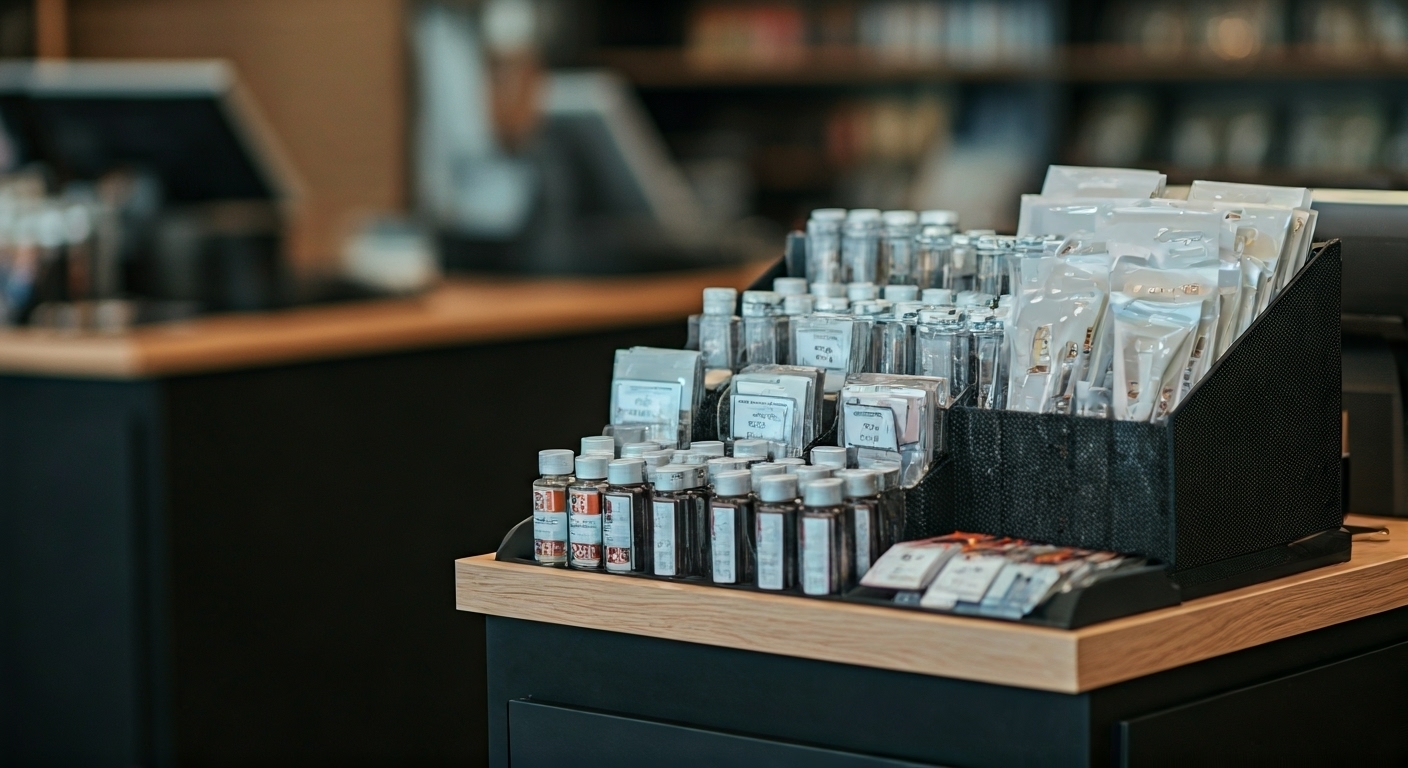
Welcome to the vibrant world of merchandising displays, the unsung heroes of the retail environment that silently boost sales and create a memorable shopping experience. From the eye-catching allure of window displays to the strategic placement of counter displays that encourage last-minute additions to your purchase, merchandising displays come in various forms, each with its unique way of attracting customers and enhancing their shopping journey. Whether it’s the high visibility of end caps drawing attention to special offers or interactive displays that engage customers with hands-on experiences, these displays are meticulously designed to present products in the most appealing manner.
Join us as we delve into the different types of merchandising displays, their influence on consumer behavior, and the art of creating an effective display that not only captivates but also converts browsing into sales. Get ready to elevate your store with insights on crafting displays that resonate with customers and drive your retail success to new heights.
Partner with us for custom marketing solutions that captivate and engage.
Types of Merchandising Displays
Merchandising displays are a vital component in the retail environment, acting as a strategic tool for attracting customers and boosting sales. Merchandising displays are designed to showcase products in style and present them in an appealing and orderly fashion, facilitating an easier shopping experience. There are various types of merchandising displays, each tailored to suit different products and retail settings effectively.
Freestanding Displays
Freestanding displays offer unmatched versatility within the retail environment. Positioned in high-traffic areas, they serve as magnetic points that attract customers’ attention towards specific products or brands. Their design often incorporates bold graphics and innovative structures to stand out.
The primary strength of freestanding displays lies in their mobility, allowing retailers to adapt their promotional strategies by relocating these displays to highlight seasonal items, new arrivals, or exclusive offers effectively.
Counter Displays
Counter displays are strategically placed at the checkout area, targeting customers at a point where they are ready to make a purchase. These displays are perfect for showcasing small, impulse-buy items, encouraging customers to add these to their purchase last-minute. By presenting these items at eye level or within an arm’s reach, retailers can subtly increase the average transaction value.
Counter displays excel in promoting low-cost items or introducing new products in a non-intrusive way, enhancing the final phase of the shopping experience.
Endcap Displays
Endcap displays, positioned at the end of aisles, command high visibility and are instrumental in promoting specific products. These displays are prime real estate within a store, utilized to spotlight new releases, seasonal items, or discounted products. Their prominent placement makes endcap displays a powerful tool for influencing customer behavior and driving sales for targeted merchandise.
Regular rotation of featured products in endcap displays ensures that the shopping experience remains dynamic and engaging for customers.
Window Displays
Window displays are the visual handshake between a retailer and potential customers, playing a crucial role in attracting foot traffic. These displays are meticulously crafted to reflect the brand’s essence and highlight the best or latest offerings in an artistic manner. Often themed around seasons, promotional events, or current trends, window displays serve as a canvas that entices passersby with a promise of what lies inside the store.
The creativity and visual appeal of window displays significantly influence a store’s image and can dramatically enhance the customer’s perception and shopping experience.
Each merchandising display type brings its own strengths to the retail setting, and selecting the appropriate type depends on the product, store layout, and target customer. Retailers that understand how to showcase multiple product lines can create a welcoming and efficient shopping environment, ultimately leading to increased sales and an enhanced customer experience.
Influence of Displays on Consumer Behavior
Merchandising displays wield a significant influence on consumer behavior by sculpting the shopping environment and steering customers’ purchasing decisions. Freestanding displays, positioned in areas of high foot traffic, serve as beacons that attract attention and guide customers towards particular products or brands, thus amplifying the likelihood of purchase. Counter displays, strategically placed at the point of sale, capitalize on the customer’s readiness to buy by presenting impulse-buy items, subtly nudging the average transaction value upwards.
Endcap displays, with their prime location at the ends of aisles, play a crucial role in capturing customer attention towards promoted items, influencing their path through the store, and spotlighting products effectively to boost sales. In many cases, shelf placement and product positioning is just as important for endcap displays, since the order and placement of products on shelves can guide buying behavior and highlight high-margin items. Lastly, window displays act as the store’s visual invitation, enticing potential customers with creative and thematic showcases that promise an engaging shopping experience. Collectively, these displays craft a memorable shopping atmosphere that encourages product interaction, guides purchase decisions, and ultimately, sways consumer behavior in a direction favorable to retailers.
Through strategic placement and design, merchandising displays can significantly enhance the retail environment, making them an indispensable tool in influencing consumer behavior.
Create a Memorable Shopping Experience
Merchandising displays play a pivotal role in creating a memorable shopping experience. By strategically placing freestanding displays within areas of high customer traffic, retailers can establish engaging focal points that capture attention and stimulate curiosity. Window displays, acting as the store’s visual greeting, set the shopping journey’s tone with their creative and thematic allure.
These elements work in harmony to not only captivate customers but also to leave an indelible mark on their memory, fostering brand loyalty and encouraging repeat visits.
Encourage Product Interaction
Encouraging product interaction is a key objective of effective merchandising displays. Counter displays leverage the power of convenience by positioning items within easy reach at checkout areas, prompting spontaneous explorations and purchases. Interactive displays, on the other hand, offer a hands-on experience, allowing customers to engage directly with the products.
This direct engagement demystifies the products, builds confidence, and significantly increases the likelihood of purchase by creating a personal connection between the customer and the product.
Guide Purchase Decisions
Merchandising displays are instrumental in guiding purchase decisions. Endcap displays, with their strategic placement at the ends of aisles, spotlight promoted or seasonal items, effectively capturing customers’ attention and directing their in-store navigation towards these products. By thoughtfully curating the products featured in these displays, retailers can subtly influence shopping behavior, steering customers towards making specific purchases that align with the store’s sales objectives.
Factors in Designing an Effective Display
Designing an effective merchandising display hinges on the careful consideration of several critical factors. Understanding the target audience is paramount; knowing who the customers are, along with their demographics and preferences, enables retailers to craft displays that resonate and engage effectively. The nature of the product type also significantly influences display design, as different products require unique presentation methods to optimally highlight their features and appeal. For instance, selecting the right merchandise display shelving options can greatly influence how products are presented, with each choice offering distinct advantages in flexibility, cost, and overall impact.
The store layout is another crucial element, as the placement of displays must harmonize with the overall flow of the retail space, ensuring they capture attention without interrupting the shopping experience. Lastly, maintaining a consistent reflection of the brand identity in the display design is essential to reinforce brand messaging and foster brand loyalty. Collectively, these factors are instrumental in creating displays that not only attract attention but also encourage interaction and guide purchase decisions, thereby enhancing the retail environment and driving sales.
Target Audience
Understanding the target audience is a cornerstone in crafting an effective display. By tailoring the display to align with the specific desires, preferences, and behaviors of the intended customer demographic, retailers can ensure the display resonates deeply and captures the audience’s interest. This strategic focus influences everything from product selection to the thematic elements of the display, making it a critical consideration in merchandising success.
Product Type
The product type dictates the approach to display design. Each product demands a unique presentation strategy that showcases its features and benefits in the best light. For example, interactive displays may be ideal for demonstrating the functionalities of high-tech gadgets, while fashion items might be displayed on mannequins to suggest styling options.
Recognizing how to effectively communicate a product’s appeal to consumers is essential.
Store Layout
The store layout significantly impacts the effectiveness of displays. Displays should be positioned to enhance the store’s overall flow, guiding customers seamlessly through the space while promoting product discovery and avoiding bottlenecks. The strategic placement of displays can not only improve product visibility but also influence the customer journey within the store, maximizing exposure to key merchandise and enriching the shopping experience.
Brand Identity
Incorporating brand identity into display design is vital for building brand recognition and loyalty. Displays must consistently communicate the brand’s message, values, and visual identity, contributing to a unified shopping experience that reinforces the brand’s image in the consumer’s mind. This includes leveraging brand colors, logos, and imagery, as well as ensuring the display’s tone is in harmony with the brand’s overall personality.
Best Practices for Merchandising Displays
Adhering to best practices in merchandising displays is essential for maximizing their effectiveness and enhancing the shopping experience. Keeping displays simple and uncluttered ensures that the focus remains on the products, facilitating a clearer decision-making process for customers. The strategic use of lighting not only highlights key products but also contributes to creating an inviting atmosphere that draws customers in.
Regularly updating displays injects freshness into the retail environment, sustaining customer interest and encouraging repeat visits. Incorporating clear signage plays a crucial role in providing essential information and guiding customers through their shopping journey, making the experience more intuitive and enjoyable. Finally, highlighting products within a lifestyle or usage context establishes a stronger connection with customers, enabling them to easily envision the product in their own lives.
By implementing these practices, retailers can craft effective and engaging displays that not only drive sales but also significantly improve customer satisfaction.
Keep Displays Simple and Uncluttered
Emphasizing simplicity in merchandising displays ensures that the focus is directly on the products. An uncluttered display allows for an effortless viewing experience, enabling customers to easily understand and evaluate their options without the distraction of overcrowding. This streamlined approach aids in the decision-making process, fostering a more satisfying shopping experience.
Use Lighting Strategically
Strategic lighting is crucial for drawing attention to key products and enhancing the overall mood of the retail space. Effective lighting can spotlight important products, create contrast and depth, and evoke specific emotions that resonate with the brand’s identity. By thoughtfully implementing lighting, displays can transition from being merely seen to truly engaging, inviting customers to interact more closely with the products.
Highlight Products and Create Ambiance
Merchandising displays should not only showcase products but also create a compelling ambiance that enriches the shopping environment. Selecting display elements that resonate with the target audience allows retailers to construct an immersive experience that complements the product and the brand. This holistic approach can significantly elevate product appeal, motivating customers to spend more time exploring and increasing the likelihood of purchase.
Update Displays Regularly
Regular updates to displays inject freshness into the retail environment, maintaining customer interest and drawing them back for repeat visits. Adapting displays to reflect current seasons, trends, or marketing campaigns keeps the retail space vibrant and dynamic. This commitment to relevance ensures that the brand remains engaging and top-of-mind for consumers.
Incorporate Clear Signage
Effective signage plays a pivotal role in merchandising displays by conveying essential information succinctly and attractively. Well-designed signage can highlight product benefits, pricing, and special offers, streamlining the shopping process for customers. Beyond its informative function, signage should also complement the aesthetic of the display and reinforce the brand’s visual identity, contributing to a cohesive and immersive shopping experience.
Start Designing Your Custom POP Display Today.
Elevate Your Store with Effective Merchandising Displays from Pop49
At Pop49, we know that effective merchandising is about more than just aesthetics. It’s about creating a seamless shopping experience that draws customers in, highlights your products, and supports purchase decisions. As an experienced merchandising display company, our team designs displays that are clean, well-lit, and strategically placed to enhance flow and engagement throughout your store.
By regularly refreshing themes, incorporating clear signage, and aligning visuals with your brand message, Pop49 helps transform your retail space into an inviting, results-driven environment. When done right, merchandising becomes a key driver of loyalty, repeat visits, and long-term success. Let Pop49 bring that strategy to life in your store.


More Articles
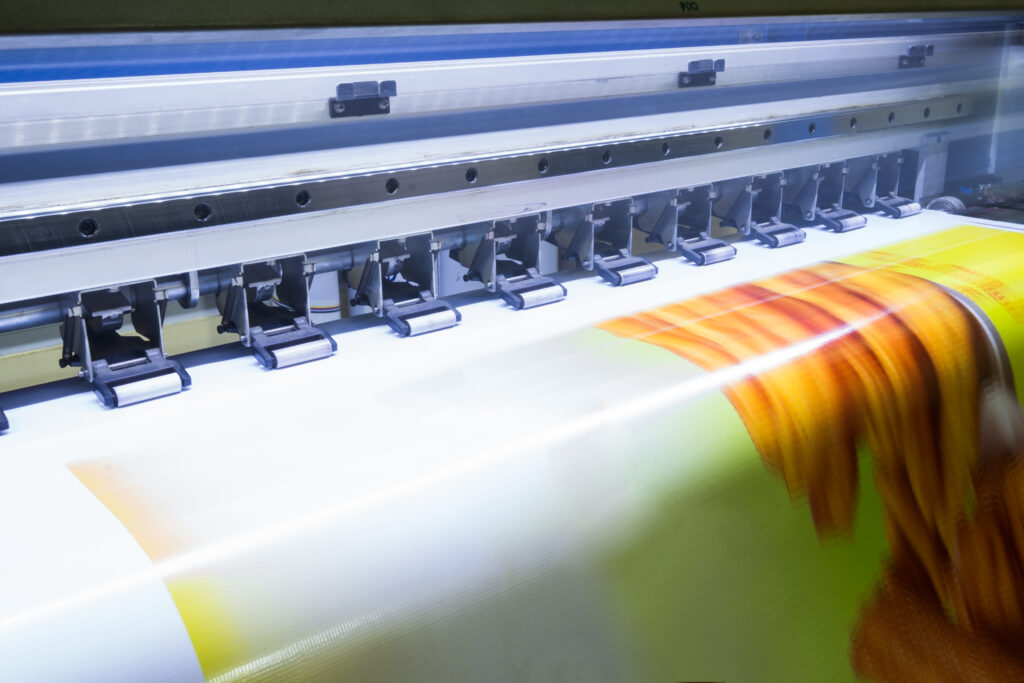
How Vinyl Banners Drive Promotional Success for Indoor and Outdoor Campaigns
Learn how to choose vinyl banners for trade shows, retail displays, and outdoor events. Covers material selection, sizing, design tips,…
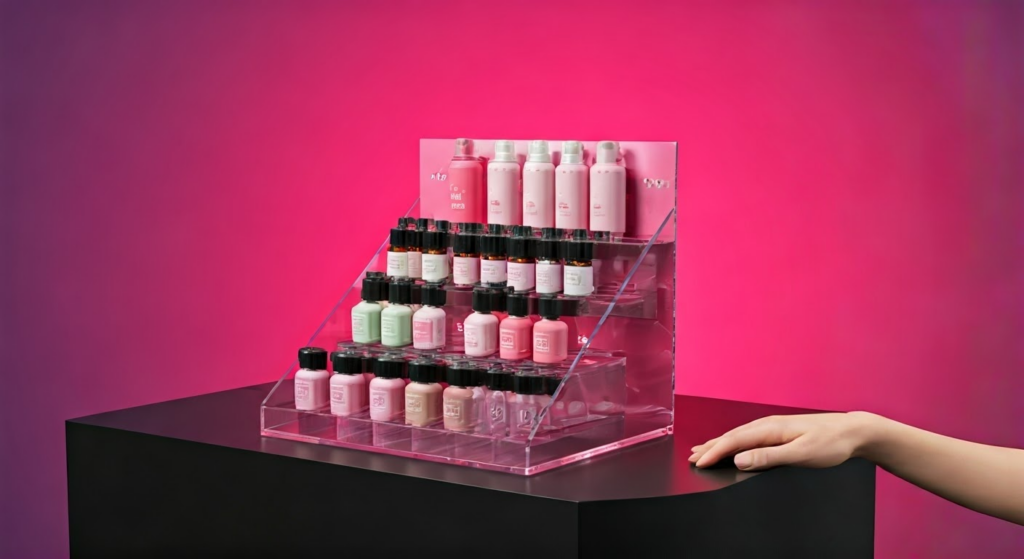
Custom Branded Countertop Displays: Maximizing Small-Space Impact
Custom branded countertop displays boost brand visibility and sales in small spaces. Discover how to make your retail impact unforgettable.

What is Large-Format Printing?
Large-format printing plays a crucial role in marketing, as it is widely used by businesses in retail, hospitality, healthcare, entertainment,…