
Best World Cup Activation Ideas for Events, Retail & Promotions
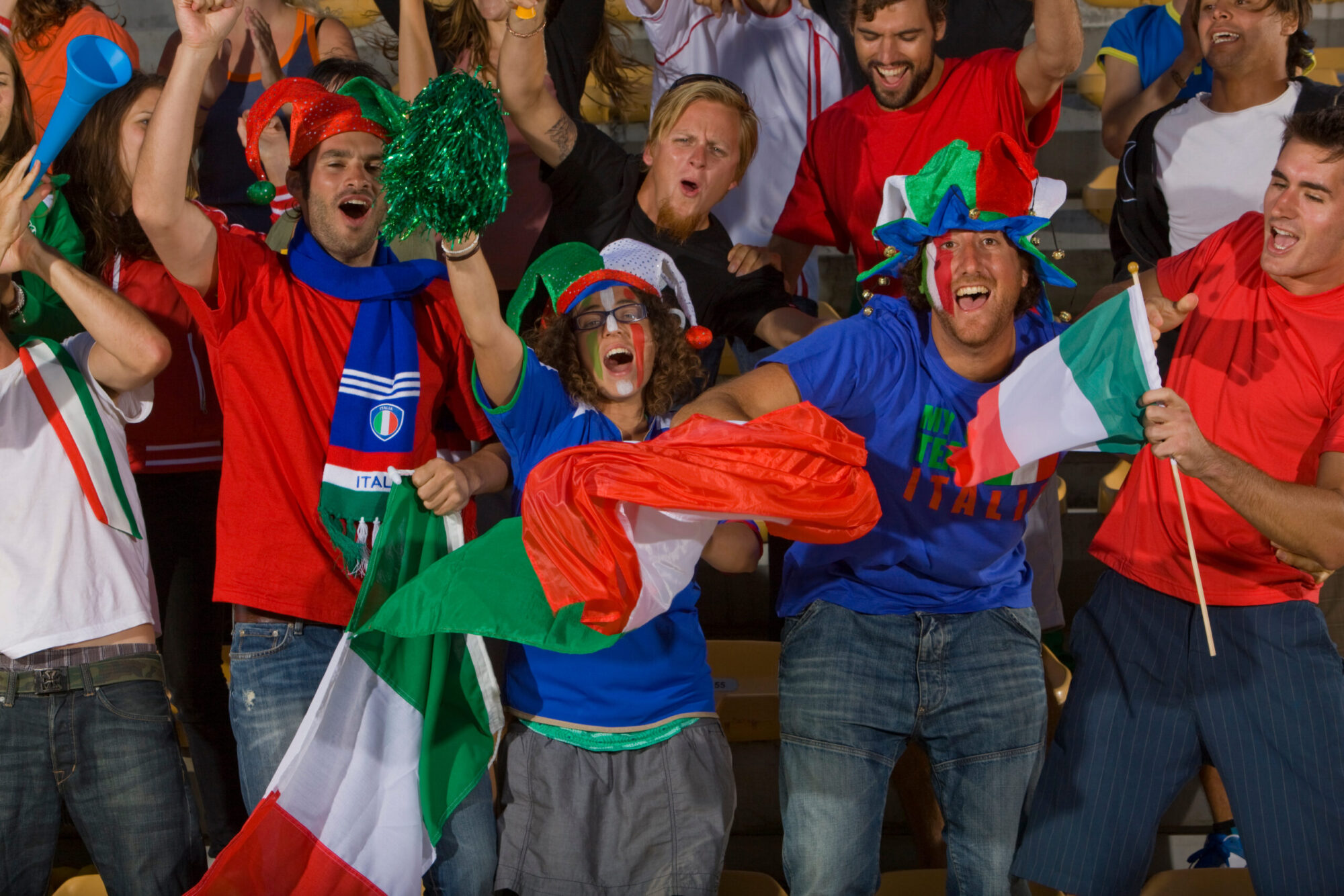
The best World Cup activation ideas span branded fan zones, in-store retail promotions, digital engagement campaigns, and promotional contests, each designed to connect brands with billions of passionate soccer fans during the most-watched sporting event on the planet. This guide covers the most effective formats across events, retail, and promotions, with practical guidance on what works, what to avoid, and how to measure results. Whether you are an official sponsor working to maximise a major investment or a non-sponsor brand looking to ride the tournament’s cultural momentum, the FIFA World Cup offers a wider range of activation opportunities than almost any other property in marketing.
Pop49 is a full-service experiential marketing company that designs and manufactures custom activation materials in-house, from branded fan zone displays and interactive skills stations to promotional merchandise and pop-up structures. If you are planning a World Cup 2026 activation and need a manufacturing partner from concept to delivery, contact Pop49.
What Is a World Cup Activation?
A World Cup activation is any marketing initiative (physical, digital, or promotional) that leverages the FIFA World Cup to drive consumer engagement, brand awareness, or direct commercial outcomes. Unlike passive sports sponsorship, which simply buys logo placement or broadcast exposure, an experiential marketing activation puts the brand into direct contact with fans through a specific experience, offer, or event. World Cup activations can take the form of branded fan zones, limited-edition product launches, social media campaigns, sweepstakes, or live events built around the tournament’s match schedule.
World Cup Event Activation Ideas for Sports Marketing Campaigns
Experiential marketing during the World Cup runs on one principle: give fans somewhere to go and something to feel. The following formats have delivered strong results across past FIFA World Cup cycles and translate well to World Cup 2026.
Branded Fan Zone or Watch Party
A branded fan zone or watch party is the most proven format in World Cup event activation. The concept is straightforward: secure a venue, install large-format screens or outdoor projections, brand the physical environment, and invite fans to watch together. The brand’s role is to be the generous host, providing the experience, the atmosphere, and often the food, drink, or entertainment. Done well, a fan zone creates hours of brand exposure per fan, not seconds.
Effective branded fan zones share a few key traits. The venue should accommodate expected fan volume with room to grow. A sold-out intimate space creates far better energy than a half-empty one. Brand presence should be layered throughout: branded F&B cups and packaging, themed décor aligned with host nation colours, and experiential zones woven between screens and seating areas. Watch parties tied to national team matches, particularly when the host country or the fan base’s home nation is playing, consistently generate higher attendance and stronger organic social coverage.
Interactive Soccer Skills Station
A skills station turns a passive spectator into an active participant, the most powerful shift in experiential marketing. The classic format is a branded penalty shootout cage, where fans take shots against a real goalkeeper, a robotic keeper, or a speed-detection net that measures shot velocity. The brand moment occurs naturally: participants share their result, pull on the branded vest, or walk away with a printed scorecard featuring the brand’s identity.
Modern iterations effectively layer technology onto this format. Speed-gun displays showing real-time shot velocity are highly shareable. Augmented reality overlays that put the fan “in” a stadium environment and let them share the clip on social media extend the physical activation into digital reach. Lead capture at the point of result sharing converts participation into a first-party data asset.
Budget ranges from roughly $15,000 for a modular standalone unit to $150,000+ for a fully branded multi-station installation within a fan festival.
Pop-Up Brand Experience
A pop-up brand activation brings the brand to where fans already are: near host city venues, in transit hubs serving World Cup match days, in shopping precincts with high foot traffic on game days, or at the entrances to fan festivals. The pop-up format works especially well for non-sponsor brands because it sidesteps the need for official stadium access or FIFA-controlled venue adjacency.
The most effective pop-up activations during the FIFA World Cup follow a consistent formula: a clear visual hook that stops foot traffic, a low-barrier participation mechanic, a built-in social share moment, and a data capture or conversion step at the exit. Sampling is particularly powerful during the World Cup because the social occasion of watching football increases consumption intent for food, drink, and snack categories.
Immersive AR/VR Experience
Augmented reality and virtual reality activations have matured considerably since the last FIFA World Cup cycle. AR walk-through tunnels that simulate entering a stadium generate strong social sharing rates when paired with on-brand creative and a frictionless share mechanic, and dwell times vary widely depending on the experience design and venue context. VR experiences that put the fan in a player’s perspective, whether a penalty kick from the spot or receiving a cross in the box, create intensely memorable brand associations.
These formats are best deployed at fixed locations (fan festivals, brand-owned venues, major retail flagships) rather than roaming activations, given the equipment and staffing requirements.
Community and Grassroots Tournament
Not every World Cup activation needs to play at the premium end. Some of the most effective campaigns have operated at the grassroots level, sponsoring community five-a-side tournaments, local youth leagues, or neighbourhood watch parties in the weeks leading up to and during the tournament. The brand-as-convener model, in which the brand creates opportunities for community connection rather than broadcasting to an audience, generates authentic fan engagement and strong local media coverage. Compact branded games like sit soccer work particularly well at grassroots events, giving community participants a fun, low-barrier brand touchpoint without requiring a large setup footprint.
This format is accessible for SMB brands and regional businesses. Strong local brand affinity at a fraction of the cost of a city-centre activation is a realistic outcome.
World Cup Retail Activation Ideas
Retail environments are well-positioned during the FIFA World Cup. Match nights are recurring social occasions, and fans actively shop for food, drink, merchandise, and hosting supplies.
World Cup Window and In-Store Display
The most immediate lever available to any retailer is the physical store environment. World Cup-themed window displays and in-store presentation transform a routine shopping visit into an experiential moment and signal to the football-following customer that this retailer understands the occasion. Effective World Cup retail activations at this level involve full thematic commitment: team colours used in visual merchandising, match-schedule countdown graphics, and dedicated World Cup merchandise fixtures positioned near store entrances and high-traffic aisles.
The most effective in-store displays during sports tournaments follow two principles: product adjacency and occasion framing. Position snack, beverage, and entertainment categories together rather than in their standard aisles. The “match night basket” mechanic makes cross-category purchasing feel natural. Frame the selection around the occasion (“Everything you need for tonight’s match”) rather than around individual product categories.
Limited-Edition World Cup Products
Limited-edition packaging and co-branded product launches consistently outperform standard offerings during major sporting events. The scarcity mechanics inherent in limited editions align naturally with the urgency of a time-limited sporting event, and collector’s edition packaging travels on social media, particularly when tied to national team creative.
Lead time is the primary constraint. Packaging redesigns, custom World Cup merchandise, and new SKU development typically require 10 to 16 weeks from brief to shelf. Brands planning World Cup 2026 retail activations in this format should have been in production by Q4 2025 at the latest. Those that miss this window can still activate through point-of-sale materials and secondary packaging inserts without the lead time burden of primary packaging changes.
Pop49 manufactures custom World Cup merchandise, branded packaging inserts, and point-of-sale display materials in-house, with no minimum order requirements.
Planning a limited-edition product or custom display for World Cup 2026? Get a quote from Pop49 and lock in your production slot before lead times fill up.]
Match-Day Purchase Triggers
Time-limited promotional mechanics tied to the match schedule are among the most effective tools for driving sales lift during the FIFA World Cup. The idea: create purchase incentives activated by match events.
Common and effective formats include a percentage discount applied for the 24 hours following a home nation win, a score-linked discount where customers receive a discount value equal to the winning margin, or a “golden goal” mechanic where the first goal scorer’s shirt number unlocks a specific offer. These formats generate media coverage beyond paid channels because they’re genuinely newsworthy as promotional mechanics, and they drive strong social conversation during and immediately after matches. That’s the highest-engagement window in any World Cup cycle.
World Cup Loyalty and Rewards Tie-In
Brands with existing loyalty programs can dramatically increase program engagement during the FIFA World Cup by building tournament-specific mechanics into the points and rewards architecture. Double or triple points during match windows, prediction-based point bonuses, and exclusive World Cup merchandise available only through points redemption all deliver strong engagement uplifts without requiring external promotional mechanics.
The data advantage is real: match-window purchase behaviour ties directly to individual customers, giving brands segmentation and targeting insights that stay useful long after the tournament ends. For loyalty-centric brands, this is among the highest-ROI formats available.
Partner and Bundling Promotions
Retailer-led co-op programs, where a retailer coordinates brands across multiple categories into a unified World Cup promotional campaign, generate significant in-store visibility and often include end-cap placement and digital shelf features unavailable to individual brands. Trade negotiations for these programs typically require significant lead time. Engaging key retail partners eight to twelve months before the tournament is advisable for brands targeting World Cup 2026, particularly for programs that include premium in-store placement or co-op media spend.
World Cup Digital and Social Media Activation Ideas
Digital World Cup activations work across the full tournament arc, building anticipation before the first match, driving real-time fan engagement during games, and extending the brand moment in the days and weeks after key results.
Branded Prediction and Bracket Contest
A branded prediction contest tied to the tournament bracket is one of the most consistently high-engagement formats in World Cup digital marketing. The tournament structure (group stage results feeding into knockout rounds) creates a natural multi-week engagement mechanic: fans submit predictions before the group stage, update them at the round of 16, and compete for prizes through to the final.
The email capture value of a well-executed prediction contest is substantial. A modest media budget driving entrants into a branded prediction platform can build a permission-marketing list of tens of thousands of soccer fans who have self-identified as tournament-engaged, one of the highest-quality audience segments a brand can build during the FIFA World Cup cycle.
UGC Fan Photo and Video Campaign
User-generated content campaigns during the FIFA World Cup tap into the authentic fan expression the tournament generates at scale: team scarves, painted faces, living room watch parties, street celebrations. A well-designed UGC campaign gives fans a creative frame and a reason to share, rather than simply asking them to create content unprompted.
Effective World Cup UGC mechanics include a branded AR filter (available on Instagram and Snapchat) that overlays team colors or brand elements onto fan selfies, a hashtag challenge asking fans to share their “watch party setup” or “celebration moment” for a chance to win, or a curated “fan of the match” program that selects and features the best community content across the brand’s owned channels. The key creative principle: the filter or frame should be something fans genuinely want to use. It should make their content better, not just brand it.
Gamified Fan Loyalty App Experience
For brands with an owned app or a digital loyalty platform, building a dedicated World Cup gamification layer during the tournament creates a powerful engagement retention tool. In-app prediction games, live match trivia pushed during matches, and points-for-participation mechanics for logging purchases or check-ins during match windows all drive meaningful increases in app session frequency and duration.
Live Match Social Coverage and Real-Time Marketing
The highest-reach windows in any World Cup campaign are the 90 minutes of each match, plus the 30 minutes before and after. Effective real-time marketing requires two things: a pre-approved creative library covering likely scenarios (wins, upsets, early exits) and an approval process fast enough to publish during the match. A three-camera setup with a capable host and a responsive social team can create a credible live show for under $20,000 per match. Brands most remembered from past World Cup cycles weren’t lucky. They were prepared.
Influencer and Creator Activation
Influencer marketing during the FIFA World Cup works differently from standard creator campaigns. The tournament itself generates content opportunities. The creator’s job is to bring the brand along for an authentic experience rather than produce a scripted advertisement. The most effective World Cup creator programs send influencers to matches, fan zones, or host cities with clear brand integration briefs focused on authenticity.
A tiered creator strategy (one or two macro-creators for reach and brand association, ten to twenty mid-tier creators for engagement and community credibility, and a larger pool of nano-creators or fan-advocates for organic UGC amplification) delivers stronger overall campaign performance than a single large creator spend. FTC compliance requirements (clear #ad and #sponsored disclosure) apply regardless of creator tier and should be built into the brief from the start.
World Cup Promotional Ideas
Promotional mechanics are the conversion engine of any World Cup marketing campaign, the tools that turn fan enthusiasm into measurable commercial action.
Win Tickets to the World Cup Sweepstakes
A World Cup ticket sweepstakes is the flagship promotional activation for brands seeking maximum consumer reach and media coverage. The prize (attending an actual FIFA World Cup match) is among the most aspirational in consumer marketing, and the cost of a prize package (two match tickets, flights, and accommodation) is modest relative to the media and engagement value it generates.
Purchase-based entry mechanics drive sales lift most directly. No-purchase-necessary alternatives are required under most sweepstakes regulations and can be structured to minimise dilution of commercial value. Prize logistics require early planning: ticket allocation for non-sponsor brands must be sourced through official hospitality programs or secondary channels, and lead times for hospitality packages are typically six to twelve months ahead of the tournament.
A meaningful ticket giveaway with a creative mechanic, tied to a team’s progression or a score prediction, will typically earn trade and consumer press coverage beyond paid channels.
Score-Linked Discount Mechanic
A score-linked or golden goal promotional discount ties the brand’s offer directly to match outcomes, making the tournament itself the campaign’s call to action. A straightforward version: for every goal scored by the host nation, customers receive a percentage discount on their next purchase for the following 24 hours. A more sophisticated version generates a unique promotional code based on the final scoreline, valid for 48 hours following the match.
Every match becomes a commercial event for the brand’s audience. Viral potential is high. Fans share deals in the same social channels where they’re already discussing the match. The operational requirement is a promotional code system capable of real-time or near-real-time code generation and distribution, which most e-commerce platforms support natively.
Can Non-Sponsors Run World Cup Sports Sponsorship Activations?
Yes, but with important limitations. The FIFA World Cup is one of the most aggressively protected intellectual property assets in sports marketing, and non-endemic brands or non-sponsors must understand the boundaries clearly before activating. FIFA owns exclusive rights to specific protected marks, including the phrases “FIFA World Cup,” “World Cup™,” the official trophy image, the tournament logo, and official team marks. Using any of these elements in commercial advertising or promotions without an official license constitutes trademark infringement and risks legal action from FIFA’s intellectual property enforcement team, which has historically been active in pursuing ambush marketing cases.
What non-sponsor brands can legally do: reference the sport of soccer or football generically; use imagery of the game (ball, pitch, goals) that is not tied to FIFA’s official marks; reference “the tournament,” “the big match,” or similar non-trademarked descriptions; align creative with national team colors and spirit without using official team logos or FIFA branding. The safest and most effective non-sponsor World Cup activation strategy is to build around fan passion and national pride rather than official tournament imagery, celebrating the sport and the fan, not the specific event brand.
Official FIFA sponsorship also provides category exclusivity, preventing competitors in the same product category from activating.
World Cup 2026 Specific Opportunities
World Cup 2026 brings the tournament to North America for the first time since 1994. The host footprint stretches from Vancouver to Atlanta and from Guadalajara to New York, meaning the tournament will be genuinely accessible to the largest English-speaking and Spanish-speaking consumer markets in the world simultaneously. For brands with North American commercial operations, FIFA World Cup 2026 offers home-market fan engagement at a scale previously available only to brands willing to activate internationally.
The expanded 48-team format matters commercially too: 104 matches across 39 days means a longer window for retail promotions, more match occasions per week, and a higher probability that a given market’s home nation stays in the tournament deep into the knockout rounds.
The 11 U.S. host cities (including New York/New Jersey, Los Angeles, Dallas, Miami, and San Francisco) represent an unprecedented concentration of population and tourism for location-based event activations.
FIFA World Cup 2026 Fan Experience by Host City
Each of the 16 host cities across the United States, Canada, and Mexico presents distinct World Cup fan experience activation conditions. Dense urban foot traffic in New York/New Jersey and Los Angeles looks very different from the compact downtown cores of Vancouver and Toronto. Brands planning location-based activations for World Cup 2026 should map their fan zone and pop-up brand activation strategies to the specific match schedule and host city demographics of each venue rather than treating all markets as equivalent.
Planning Timeline and Budget Guidance
Successful World Cup activations are built 12 to 18 months in advance, not in the weeks before the tournament begins. The planning timeline below reflects the lead times required for each activation type targeting World Cup 2026.
| Planning window | Key activities |
| 12-18 months out | Sponsorship decisions; brief development; agency engagement; hospitality package procurement; limited-edition product development brief |
| 6-12 months out | Creative development; production of physical activation assets; retail partner negotiations; media buying; technology platform development |
| 3-6 months out | Asset production completion; staff training; promotional mechanics testing; sweepstakes legal review; influencer contracting |
| Tournament window (June-July 2026) | Live activation delivery; real-time content publishing; fan engagement monitoring; promotional code management; KPI tracking |
| Post-tournament | ROI reporting; data asset activation; earned media analysis; debrief and planning for next cycle |
World Cup activations run at three broad budget tiers. Enterprise programs ($500,000+) typically include official hospitality rights, large-scale physical fan zone production, TV and digital media spend, and a dedicated agency team. Mid-market programs ($50,000–$500,000) deliver strong results through pop-up activations, digital promotional campaigns, creator partnerships, and retail display investment.
How to Measure World Cup Activation ROI
Measuring the return on World Cup activation investment requires a framework that captures outcomes across four levels: awareness, engagement, conversion, and brand equity. No single metric tells the full story, and the right KPI mix depends on the activation format and the brand’s primary objective.
Awareness KPIs, relevant for fan zone, experiential marketing, and media-led activations: total reach and impressions, share of voice during the tournament window, spontaneous brand recall among the target audience (pre- vs. post-tournament survey).
Engagement KPIs, relevant for digital activations, UGC campaigns, and gamification: contest or competition entries, UGC submissions and organic social reach, app sessions and in-app interaction events, average dwell time at physical activations, email capture volume and open rates.
Conversion KPIs, relevant for retail promotions, sweepstakes, and score-linked discount mechanics: sales lift versus equivalent non-tournament period, promotional redemption rate, cost per acquisition, revenue attributed to match-window purchase triggers, loyalty program enrollment uplift.
Brand equity KPIs, relevant for hospitality, partnership, and long-cycle campaigns: aided and unaided brand association with the FIFA World Cup, purchase consideration lift, Net Promoter Score movement, and media value equivalent from earned coverage.
Post-tournament attribution should account for the tournament’s 39-day window in comparison to the same period in the prior year and against the brand’s non-tournament seasonal baseline, controlling for macro factors.
World Cup Activation FAQ
How far in advance should you plan a World Cup activation?
Most World Cup activation formats require a minimum of six months of planning, and the most complex or highest-impact programs (official hospitality, limited-edition product launches, major physical installations, and broadcast partnerships) require 12 to 18 months of lead time. For World Cup 2026, brands that have not yet begun planning should prioritise the decisions with the longest lead times first: official hospitality procurement, limited-edition packaging development, and agency engagement. Retail promotions, digital campaigns, and social media activations can be planned on a six-to-nine month timeline without sacrificing quality or placement.
Do you need to be an official FIFA sponsor to run a World Cup campaign?
No. Non-sponsor brands can run legally compliant World Cup marketing campaigns by activating around the sport of soccer and fan passion without using FIFA’s protected intellectual property, including the official tournament name, logo, and trophy image. The most effective non-sponsor World Cup activations build around national pride, fan community, and the social occasion of match watching rather than the official event brand. Official FIFA sponsorship is required only to use FIFA’s protected marks in commercial communications or to claim official partnership status.
What is the most cost-effective World Cup activation for a small business?
For small businesses with limited marketing budgets, the most cost-effective World Cup activation formats are community watch parties, in-store match-day promotions, and social media UGC campaigns. A branded watch party at the business’s own location (restaurant, bar, retail store) requires minimal additional investment beyond screens and décor and generates strong local foot traffic and community affinity. A social media activation (a prediction contest, a fan photo challenge, or a match-day discount announced via organic and low-cost paid posts) can generate meaningful brand engagement for under $5,000 in total investment. The key is to choose one format and execute it consistently throughout the tournament rather than attempting multiple activations without the resources to do any of them well.
What are the best World Cup activation ideas for food and beverage brands?
Food and beverage brands are exceptionally well-positioned for World Cup retail activations because the tournament creates a sustained, recurring purchase occasion. Match nights are social events, and social events drive F&B consumption. The most effective formats for this category include limited-edition World Cup-themed packaging (highest-impact but longest lead time), match-day promotional discounts tied to results or scores, branded fan zone presence with sampling and product experience, co-branded “match night bundle” promotions at retail, and social media campaigns built around fan cooking or entertaining occasions.
How do you create urgency in a World Cup retail promotion?
The FIFA World Cup tournament schedule is itself the most powerful urgency driver available to retailers. Every match is a time-limited event, every result is unrepeatable, and the tournament ends definitively on a fixed date. The most effective urgency mechanics in World Cup retail promotions tie offer validity directly to match events: a discount that activates for 24 hours following a goal or a win, a promotional code that changes after each round, or a limited-edition product that is available only while the host nation remains in the tournament.
What is the biggest mistake brands make with World Cup activations?
The most common and most costly mistake in World Cup brand activation is starting too late. The second most common mistake is activating broadly rather than specifically: trying to appeal to “all football fans” with generic tournament creative rather than choosing a specific audience, a specific moment, and a specific action. Effective World Cup activations have a clear point of view (a national team, a fan ritual, a cultural moment) and build a distinctive brand presence within that specific context rather than blending into the generic tournament landscape. The brands that achieve the strongest recall from past FIFA World Cup cycles did so not because they spent the most, but because they had the clearest idea of exactly which fan they were talking to and exactly what they wanted that fan to feel and do.
Need Custom Activation Materials for World Cup 2026?
If your brand is planning a physical activation (branded fan zones, interactive skills stations, pop-up brand experiences, or custom World Cup merchandise), the manufacturing lead time is real. Pop49 designs and builds custom experiential marketing products in-house, from concept to delivery, with no minimum order requirements and the flexibility to move fast. Get your quote today and get your World Cup 2026 activation off the ground.
Disclaimer: This article is for informational purposes only. Budget figures, lead times, and benchmarks are estimates based on historical data. Conduct your own due diligence regarding sponsorship rights, trademark compliance, and applicable advertising laws before executing any World Cup-related marketing campaign.


More Articles
What are Merchandising Displays
Discover how merchandising displays attract customers, boost sales, and transform retail spaces into engaging shopping experiences. Learn more today.
How to Showcase Multiple Product Lines
Explore the benefits of showcasing multiple product lines to boost brand visibility, engage diverse customers, and drive growth with smart…
Event Plinko Boards That Stop People Walking Past Your Booth
Branded Plinko boards designed, manufactured, and printed in-house by POP49, shipped fully assembled across North America. 30+ years in business…