
The Complete Guide to How Magnetic Signs Work and Why Your Business Needs Them
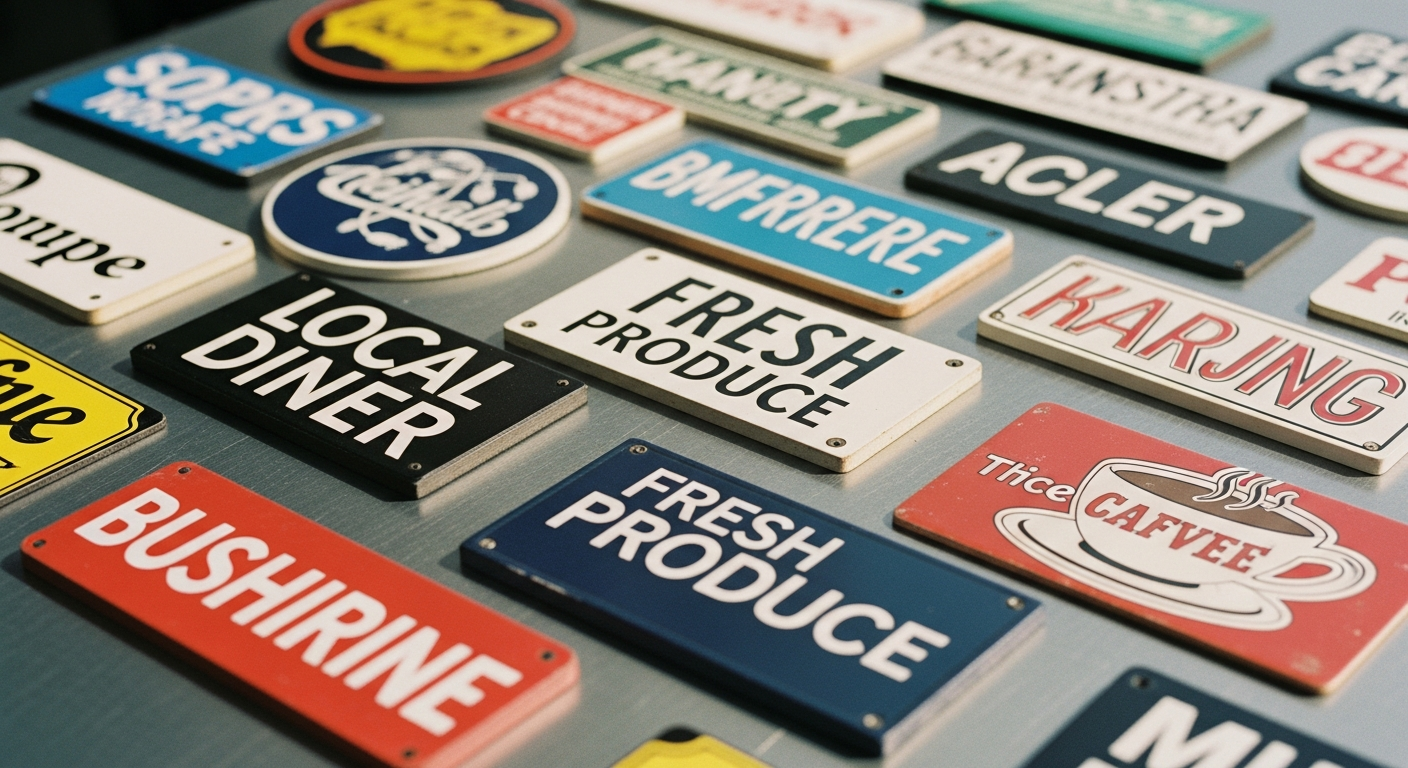
You need advertising that moves with your business. Maybe you run service vehicles. Maybe you exhibit at trade shows. Or maybe you just want signage you can remove when you clock out.
Magnetic signs solve these problems. They stick to metal surfaces without adhesive, come off cleanly, and cost a fraction of what permanent vehicle wraps run. These portable branding solutions work for businesses that need professional visibility without permanent commitment. Simple concept. But execution matters.
This guide covers the science behind magnetic signs, materials that separate cheap signs from lasting ones, and applications most people miss. Vehicle magnets, trade show displays, retail fixtures, and office signage. Most sign companies skip half of these.
Disclaimer: Material specifications, pricing, and product availability change frequently. All information is based on available 2026 industry data. Verify with current manufacturers before making purchasing decisions.
Partner with us for custom marketing solutions that captivate and engage.
The Science Behind Magnetic Signs and Why They Stick
Before you order anything, know how these things actually work. Not physics class stuff. Just the basics that keep you from wasting money on the wrong material.
How Ferrite and Magnetic Particles Create Adhesion
Magnetic signs are basically rubber or vinyl sheets with ferrite powder mixed in. Ferrite? It’s iron oxide. Same stuff in your fridge magnets. Manufacturers grind it super fine. We’re talking 1-10 microns. Then they blend it into the flexible backing. During manufacturing, these particles align while the material is pliable. This alignment creates magnetic poles throughout the sheet.
End result? A flexible sheet that creates its own magnetic field. The particles stay aligned. The magnetism stays permanent. Pretty simple once you break it down. Place it against steel or iron, and the magnetic field attracts to the metal. No glue needed. The magnetic force holds the sign in place.
The rubber or vinyl binder keeps the material flexible. You can roll it, bend it around curves, and conform it to uneven surfaces. Traditional rigid magnets would crack.
Understanding Pull Strength and What It Means for Your Signs
Pull strength measures the force required to remove a magnet from a steel surface. Manufacturers measure pull strength in grams per square centimetre, with quality vehicle-grade material usually rating 85-100 g/cm². Higher pull strength numbers mean a stronger magnetic grip and better wind resistance.
Thickness directly affects pull strength. 30mil sheets (about 1/32 inch thick) became the vehicle standard. They give you around 90 g/cm² pull strength on clean steel. This thickness gives enough holding power to resist highway speeds and strong winds. Thinner materials work fine for indoor applications where wind and movement aren’t factors.
Here’s the reality. Cheap, thin magnets flying off your car at 70 mph is not the advertising impression you want to make.
Why Magnetic Signs Only Work on Certain Surfaces
Here’s where people get surprised. Magnetic signs only stick to ferrous metals, materials containing iron that exhibit magnetic attraction. Ferrous metals include iron, carbon steel, and galvanized steel. These make up most traditional vehicle body panels. That means iron and steel. They will not attach to aluminum, stainless steel, fibreglass, or plastic.
This catches people off guard with newer vehicles. Many modern cars and trucks use aluminum body panels, fibreglass components, or composite materials. Knowing the best surfaces for magnetic signs before you order prevents wasted money on incompatible vehicles. Your refrigerator magnet test works perfectly here. If a basic fridge magnet sticks to your car door, magnetic signs will work. If it slides off, you need a different solution.
What works? Steel car doors. Filing cabinets. Metal shelving. Display fixtures. Warehouse racking. Powder-coated steel gear. Common surfaces that don’t work include many truck beds, some SUV quarter panels, aluminum trailers, and stainless steel appliances.
Magnetic Sign Materials and What Makes Quality Signs Last
The magnetic backing is just the foundation. What goes on top determines how your signs look, how long they last, and whether they survive outdoor conditions.
Flexible Magnetic Sheeting Grades and Thickness Options
Magnetic sheeting comes in several standard thicknesses. The 12 mil thickness (0.30mm) works well for lightweight indoor applications such as office labels and refrigerator magnets. The 20mil grade (0.51mm) handles light-duty outdoor use where wind exposure is minimal, like protected storefront displays. 30 mil (0.76mm) is your minimum for vehicles and high-wind areas. That thickness handles highway speeds.
Some businesses try to save a few bucks with thinner material for their trucks. It never ends well. That sign’s flying off on the highway within a month. Now you’ve got no advertising, and you’re out of the money you spent. A 20mil sign at 50+ mph? It’ll flutter. Corners lift. Then it flies off. Could hit another car or cause an accident. The few dollars saved cost nothing compared to losing your sign on the interstate.
For trade show applications, 20mil works fine. Metal display frames sit indoors with no wind exposure. Lighter weight makes repositioning easier.
Printable Surfaces and Weather Resistance
Raw magnetic sheeting accepts ink poorly. Quality magnetic signs use vinyl coating bonded to the magnetic backing. This vinyl layer gives a smooth, printable surface and protects against moisture.
UV-resistant coatings matter for outdoor durability. Direct sunlight degrades colours over time. Signs without UV protection fade noticeably within months. UV-resistant laminate makes a real difference. You’ll get 3-5 years before the colours start to fade. However, it depends on climate exposure and the number of hours of direct sunlight.
Weather resistance varies by product quality. Entry-level materials delaminate with repeated rain and big temperature swings. We’re talking 40°F+ between day and night. Commercial-grade materials hold up to year-round outdoor exposure.
How Printing Technology Affects Magnetic Sign Quality
Two main printing methods exist for applying graphics onto magnetic signs: cut vinyl application and digital large-format printing. Traditional methods apply pre-cut vinyl lettering and shapes. Digital printing creates photographic-quality images directly on the vinyl surface.
Digital large-format printing changed everything. UV-cured or solvent inks on vinyl-coated sheets. Way more options than before. Full-colour photographs, gradients, and complex graphics reproduce cleanly. This printing technology enables brand-accurate colours and high-resolution images that vinyl lettering simply cannot match.
Colour matching matters when your signs need to coordinate with existing branding. Professional printers can match Pantone colours and give consistency across multiple signs and other marketing materials.
Vehicle Magnetic Signs for Mobile Advertising
Vehicle magnets are where most people start. Makes sense. Your trucks are already driving around. Slap a sign on, and every trip becomes a billboard. The ROI math is obvious.
Why Vehicle Magnets Turn Your Fleet Into Moving Billboards
A service vehicle driving typical routes generates 30,000-70,000 visual impressions per month, according to research from the outdoor advertising industry. People see your business name at stoplights, in parking lots, and on the highway. Unlike a static billboard, your advertising goes where customers are.
The cost comparison favours magnetic signs heavily. Full vehicle wraps typically range from $2,500 to $5,000 for cars and $3,500 to $8,000 for trucks, though pricing varies significantly by provider, region, and vehicle size. Verify current rates with local installers. And you’re stuck with that design forever. Magnetic signs cost a fraction and can be removed whenever needed. Use a personal vehicle for work during the week and family on weekends? Magnets come off in seconds.
This flexibility appeals to contractors, real estate agents, delivery services, and anyone needing professional branding without permanent commitment.
Sizing Your Magnetic Signs for Different Vehicle Types
Standard door panel sizes have emerged through practical use. Most sedan doors fit 12×18 or 12×24-inch signs. That keeps you inside the door panel edges. Truck doors fit 18×24 signs. Some even handle 24×36.
Bigger is not always better. Signs that hang over the edges of doors look cheap. They also create air gaps. That weakens the magnetic grip. They catch more wind, which stresses the magnetic bond. A well-proportioned sign makes a stronger impression than an oversized one.
Fleet vehicles benefit from consistent sizing. This creates visual continuity across different vehicle makes and models.
Which Vehicles Work with Magnetic Signs and Which Do Not
Most standard cars and trucks have steel door panels that accept magnetic signs. But the trend toward lightweight materials has made compatibility less universal.
Aluminum panels won’t work. That includes Ford F-150s from 2015 onward, all Teslas, many Audis, and the Range Rover Sport. These makers cut weight for better fuel economy. Fiberglass panels appear on van conversions, RVs, and older Corvettes. Composite materials show up in surprising places.
The refrigerator magnet test takes five seconds. Test every panel before ordering signs.
Avoiding Common Vehicle Magnet Mistakes
New paint needs curing time before applying magnetic signs. Fresh paint needs 60-90 days to cure. Put magnets on too soon? The clear coat bonds to the magnetic backing. When you pull the sign off, the paint comes with it. Applying magnets too soon can damage the finish when removed.
Placement matters. Avoid positioning signs over body lines, trim pieces, or raised surfaces. These create air gaps where moisture accumulates and debris collects. Stick to flat, smooth areas on the door panel.
Rounded corners with a minimum 0.5-inch radius reduce problems a lot. Sharp corners catch wind at speed, create lift, and concentrate stress, leading to paint scratching and sign edge curling. They concentrate stress that scratches paint. Most professional signs come with rounded corners as standard.
Beyond Vehicles and Indoor and Event Applications for Magnetic Signs
Vehicle use dominates the magnetic sign market. But limiting yourself to cars and trucks means missing useful applications. Pop49 specializes in trade show displays, POP fixtures, and experiential marketing. Magnetic signs play a growing role in all of these.
Trade Show and Exhibition Uses That Competitors Miss
Trade shows use steel everywhere. Display stands. Booth frames. Exhibit fixtures. Most of it is powder-coated steel. That means magnets stick. This creates opportunities for magnetic graphics that you can swap between shows.
Running a multi-day show? Different themes each day? Different products to highlight? Magnetic panels let you change messaging without replacing entire displays. Exhibiting at multiple events with different audiences? Swap targeted graphics for each show.
Repositioning flexibility saves money compared to ordering new printed displays for every variation. It also reduces storage since you carry interchangeable panels rather than multiple complete displays.
Retail Point of Purchase Magnetic Displays
Retail environments use magnetic signage in ways shoppers never notice. Promotional signs on steel retail shelving? Held by magnetic backing. Graphics on commercial refrigerated cases? Frequently attached using magnetic mounting. End cap displays with changeable pricing? Magnetic signage systems make price and promotion updates quick without damaging fixture surfaces.
Magnetic point-of-purchase (POP) displays work great for temporary and rotating promotional campaigns where frequent signage changes are required. Attach sale signage in minutes. Remove it when the promotion ends. No residue, no damage.
This changeable nature suits seasonal merchandising. Swap holiday graphics, update sale pricing, and rotate promotional messages without marking expensive fixtures.
Office and Industrial Magnetic Signage
Warehouses and manufacturing facilities rely on magnetic signage for organization. Steel warehouse racking accepts magnetic labels that can be repositioned as inventory locations change without residue or re-labelling costs. Safety signage attaches directly to metal equipment without drilling, maintaining OSHA compliance while preserving equipment resale value.
Office environments use magnetic systems for scheduling boards, directory signage, and conference room labels. Easy updates suit the frequent changes these environments experience.
Construction sites benefit from magnetic directional signage. Set up wayfinding for an event, then remove everything cleanly when finished.
Creating Changeable Message Systems for Promotions
Magnetic letter and number systems have existed for decades. But modern applications go beyond classic roadside signboards. Custom overlay panels let you change specific elements while keeping base graphics permanent.
Restaurant menu boards use this approach well. The menu categories and design elements stay fixed. Individual item names and prices use magnetic overlays that staff can swap in seconds.
Pricing displays at retail locations work similarly. The product information stays permanent while the price itself uses a changeable magnetic element.
Designing Magnetic Signs That Get Noticed
A magnetic sign that nobody can read wastes your investment. Design decisions determine whether your mobile advertising actually generates business. Colour Contrast and Readability at Speed
Vehicle signs get viewed at highway speeds of 55-75 mph. Drivers have about 2-3 seconds to absorb your message before your vehicle passes their field of vision. High contrast matters. Design guidelines often recommend a luminance difference of at least 70% between text and background for optimal readability at speed. That’s what makes a sign stick in someone’s memory instead of blurring past it.
Dark text on light backgrounds works best. Light text on dark works too. Either way, contrast is everything. Avoid medium-value colours that blend together at a distance. Skip the subtle colour schemes that look sophisticated up close but fade into the background across a parking lot.
Simpler designs perform better than cluttered ones. One clear message beats five competing elements. Your logo, your business name, and one contact method. That’s plenty.
Must-Have Information to Include on Business Magnetic Signs
Your business name deserves the most prominent position. Many designers recommend it occupy roughly 40-50% of the sign’s visual hierarchy. Make the business name readable from 50 feet. For door magnets, that means 3-4 inch tall letters minimum. Your logo supports recognition but shouldn’t compete with the business name for dominance.
Contact information requires prioritization. You cannot fit everything. Phone number still matters most for service businesses. Customers call from their vehicles right after seeing your sign. Website addresses work well when they’re short and memorable. Social media handles rarely add value to vehicle signage since they’re hard to remember and note while driving.
A call to action helps when space allows. Something like “Free Estimates” or “24 Hour Service” gives viewers a reason to remember you. Keep it short. Keep it relevant.
Custom Shapes and Die-Cut Options for Brand Differentiation
Standard rectangles work perfectly fine. But custom shapes grab attention because they break expectations. A sign shaped like your product stands out. Cut it to match your logo. Add creative contours. You’ll look different from every rectangular magnet on the road.
CNC die-cutting gets you precise custom shapes. Tolerances within 1/16-inch. Order 10+ and the price stays close to rectangles. Contour cuts follow your graphics exactly, eliminating the rectangular border entirely. This approach works especially well for logos with distinctive silhouettes.
Custom shapes make sense when your brand identity supports them. They add unnecessary cost when a clean rectangle would serve just as well.
Proper Care and Storage That Extends Sign Life
Magnetic signs require more maintenance than most people expect. Neglecting basic care shortens lifespan dramatically and can damage vehicle surfaces.
Weekly Maintenance Routines That Prevent Damage
Remove your magnetic vehicle signs at least weekly for cleaning and inspection. Sounds like overkill. Until you see how much moisture and debris build up at the sign edges. Moisture gets trapped between the sign and the vehicle surface. Dirt and debris accumulate at the edges. Left in place for weeks, this causes corrosion on the vehicle and degradation of the sign.
Clean both surfaces when you remove signs. Wipe down the vehicle paint where the sign sat using a soft cloth and automotive detailing spray. Clean the magnetic back of the sign itself with a damp cloth to remove trapped debris. This maintenance routine takes about 2 minutes per sign and prevents problems that can ruin signs and damage vehicle paint.
Never run your vehicle through an automatic car wash with magnetic signs attached. The brushes will rip them off. The high-pressure water can get underneath and blow them loose. Remove signs before any type of car wash.
Storage Methods That Prevent Warping and Memory Issues
Magnetic sheeting develops “memory, a permanent deformation in the flexible material, over time. Leave a sign curled for a few days, and it wants to stay that way. The backing resists lying flat against your vehicle. This memory effect gets worse with heat and time. Eventually, a sign won’t lie flat against your vehicle.
Flat storage works best. Store signs flat against steel. Filing cabinet sides work. Refrigerator doors, too. Or get a dedicated storage panel. The magnetic attraction keeps them flat while stored. Stack multiple signs with the printed sides facing each other to prevent scratching.
If you must roll signs for transport, roll them with the printed side facing outward. This curves the magnetic backing inward, which corrects more easily than the reverse. Use large diameter rolls when possible.
Troubleshooting When Signs Will Not Lie Flat
Signs with memory issues sometimes recover with proper treatment. Store them flat on steel for several days. The magnetic attraction pulls against the curl and can restore flatness. Gentle warming in direct sunlight can help the material relax.
Severely warped signs need replacement. If the corners lift persistently after flat storage, the memory has become permanent. Forcing a warped sign to lie flat creates stress that accelerates damage.
Heat damage from storage in hot vehicles, where interior temperatures can exceed 140°F in direct sunlight, causes irreversible warping problems. The magnetic material deforms, and no amount of flat storage fixes it. Treat your signs like you would treat important documents. Don’t leave them in a hot car for extended periods.
Comparing Magnetic Signs to Other Signage Options
Magnetic signs solve specific problems well. They’re not the right choice for every situation. Understanding the alternatives helps you make smart decisions.
Magnetic Signs vs Permanent Vehicle Wraps
Full vehicle wraps transform your car or truck into a rolling billboard. The coverage and visual impact exceed those of magnetic signs. For businesses with dedicated commercial vehicles, wraps make sense.
But wraps cost way more upfront. They commit that vehicle to advertising duty permanently. Removing a wrap is expensive and can damage the underlying paint. Personal vehicle pulling double duty? Leased car with appearance rules? Want to change your branding later? Magnetic signs win every time.
The choice comes down to commitment level. Confident about your business name, logo, and contact info remaining unchanged for the next 3-5 years? A full vehicle wrap could work for maximum visual impact. Still refining your branding or expecting changes? Magnetic signs let you update without starting over.
Magnetic Signs vs Vinyl Decals and Stickers
Vinyl decals often cost 30-50% less than magnetic signs for equivalent coverage, though pricing varies by provider and quantity, making them attractive for permanent applications. They adhere to more surface types, including aluminum and fibreglass. For permanent applications, decals work well.
The difference is removability. Vinyl decals leave adhesive residue requiring chemical removal. Decals can pull paint on older vehicles with weakened clear coats or oxidized finishes. Removing aged vinyl decals requires adhesive solvents and careful scraping, taking 30-60 minutes per decal.
Magnetic signs come off cleanly with no residue and no surface damage.
Decals make sense for ownership situations where removal will never happen. Magnetic signs make sense when flexibility matters.
Making the Right Choice for Your Marketing Goals
Short-term campaigns favour magnetic signs strongly. Promoting a seasonal service? Running a limited-time offer? Sponsoring a temporary event? Magnets let you advertise now and stop when the campaign ends.
Long-term branding on dedicated commercial vehicles may justify permanent wraps or decals. But even then, consider how often your contact information might change. Phone numbers get updated. Websites get redesigned. A magnetic sign makes those changes inexpensive.
Mixed-use situations almost always favour magnetic signs. Any vehicle that serves both business and personal purposes benefits from the removability factor.
Making Your Magnetic Sign Investment Work Harder
Magnetic signs deliver strong ROI. Pick the right thickness. Get quality printing. Design for readability. Maintain weekly. Store flat. That’s it. The science is straightforward. The applications extend far beyond vehicle doors. The ROI favours businesses willing to think creatively about mobile and flexible signage.
Start by testing your intended surfaces. Confirm magnetic compatibility before ordering. Choose 30mil thickness (0.76mm) for any outdoor or vehicle application to ensure adequate pull strength at highway speeds. Invest in quality printing that represents your brand accurately. Then maintain your signs consistently to get the most life out of them.
Consider applications beyond vehicles. If your trade show displays include metal framing, magnetic graphics add flexibility. If your retail fixtures use steel shelving, magnetic POP signs simplify promotional changes. If your office has metal surfaces, magnetic systems keep signage current without damage.
Working with experienced custom product manufacturers makes a difference. Pop49 knows this stuff. Large format printing. Custom fabrication. Trade shows. POP fixtures. Vehicle graphics. We’ve done it all. That experience means better material recommendations, smarter design guidance, and signs that perform as expected.
Ready to create magnetic signs for your business? Contact Pop49 today to discuss your magnetic sign project and get a quote tailored to your needs.
Disclaimer: This guide is for informational purposes only and should not be considered a professional signage consultation. Material specifications, pricing, and product availability change frequently. Always consult current manufacturer specifications and work with experienced signage professionals for up-to-date recommendations matched to your situation.


More Articles

How to Collect Emails With Prize Wheel Games
Learn how to turn engaging prize wheel games into a powerful tool for building your email list. Maximize your marketing…
Elevate Your Brand’s Impact with Pop49: Introducing our Custom Spin Wheel Game
In the bustling world of marketing and brand engagement, standing out is not just an option, it’s a necessity. At…
What is Skee Ball?
Discover the power of skee ball in experiential marketing. Learn how Pop49’s custom games can elevate your brand and engage…